Recent Second Amendment-related developments stem from the 2025 regular session (83rd Legislature), where several firearms bills were considered, passed the legislature, but were largely vetoed by Gov. Joe Lombardo (a pro-gun rights Republican). Key ones included:
– AB 105 (“Revises provisions governing firearms”):
Prohibited possession of firearms within 100 feet of polling places/election sites (with limited exceptions). Passed both chambers but vetoed by the Governor in June 2025, described as an infringement on carry rights without adequate exemptions.
– AB 245 (“Revises provisions relating to firearms”):
Raised the age to possess certain semi-automatic rifles and shotguns to 21 (from 18), imposed storage mandates to prevent access by those under 21, and restricted sales/barter to under-21s (with exceptions for hunting/recreation under supervision). Passed but vetoed by Gov. Lombardo in June 2025; NRA-ILA opposed it as discriminatory against young adults and conflicting with Second Amendment interpretations (e.g., Bruen-era scrutiny).
– SB 156 (“Revises provisions relating to the prevention of gun violence”):
Created a Special Counsel for the Prevention of Gun Violence in the Attorney General’s office (criticized as a taxpayer-funded gun control advocacy role). Passed but vetoed.
– SB 89 (“Revises provisions relating to firearms”):
Prohibited those convicted of certain hate crimes from possessing firearms (with restoration provisions for pre-2025 convictions in some versions). Passed but vetoed.
Other bills like AB 451 (immunity for returning firearms under certain holds) had limited progress or were not major focuses. No major pro-Second Amendment expansions (e.g., suppressor deregulation or campus carry) passed prominently in 2025, and gun control groups (e.g., Everytown/Moms Demand) condemned the vetoes as blocking “gun safety” measures for the second session in a row.
Nevada maintains constitutional carry (permitless concealed carry since 2013 for residents 21+, with reciprocity expansions), no assault weapon bans, no magazine limits, and strong preemption, but has some restrictions (e.g., background checks for private sales since 2019). No new firearms laws took effect from 2026 activity, though some 2025 bills had delayed effective dates (e.g., January 1, 2026, for unrelated matters).
Arizona is one of the most gun-friendly states (constitutional carry since 2010, permitless open/concealed carry for 21+, strong preemption, no magazine limits or assault weapon bans), so activity includes both pro-gun expansions (e.g., repealing state-level suppressor prohibitions) and anti-gun proposals from Democrats (e.g., voluntary prohibited possessor lists, background check expansions, assault weapon restrictions), though the latter rarely advance under Republican leadership.
Key Bills
– SB 1069 (“Prohibited weapons; muffling device; repeal”): Removes suppressors (silencers/muffling devices) from Arizona’s list of prohibited weapons, aligning state law with federal NFA requirements (where suppressors are legal with a tax stamp/approval). This would enable lawful possession without state felony risk.
– Advanced through Senate Judiciary and Elections Committee (January 2026) and Public Safety hearings; scheduled for further action (e.g., House Judiciary Committee hearing around March 10, 2026).
– NRA-ILA strongly supports it for hearing protection in shooting/hunting and consistency with federal law; mirrors vetoed bills from prior sessions.
– SB 1068 (campus carry protections): Prohibits university/college boards from banning concealed carry by permit holders or lawful transport/storage of firearms in locked vehicles on campus.
– Passed Senate Judiciary and Elections Committee (January 2026); similar to vetoed legislation from previous years (e.g., by Gov. Katie Hobbs).
– Aims to protect lawful campus carry rights.
– SB 1058 (“Firearms transactions; merchant codes; prohibition”): Prohibits firearm-specific merchant category codes (MCCs) by payment processors to safeguard gun owner privacy and prevent financial discrimination against Second Amendment businesses/owners.
– Heard in Senate Public Safety Committee (January 21, 2026); advanced and scheduled for House Rules Committee (March 9, 2026).
– NRA-ILA priority for protecting against de facto registries/tracking.
– SB 1053 (concealed weapons permits; fees): Reduces or adjusts fees for in-state concealed carry permits (e.g., to 10% of non-resident rates) and related changes.
– Advanced in committees; on track for House action.
– HB 2291 (voluntary prohibited possessor; definition): Democrat-sponsored; creates a voluntary “do-not-sell” list for individuals to temporarily restrict their own firearm purchases/possession (e.g., for mental health/suicide prevention), akin to a self-red flag mechanism.
– Introduced early 2026; typical of recurring anti-gun proposals but unlikely to progress significantly.
Other Mentions
– Democrat-introduced bills (e.g., HB 2419/HB 2420/HB 2421/HB 2570) on permit validation websites, transfers/background checks, assault weapons/magazines prohibitions/registration, and sales regulation—filed but limited advancement expected.
– No major restrictive laws (e.g., red flag/ERPO, broad bans) have gained traction; pro-gun groups highlight successes in moving privacy/carry/suppressor bills forward.
– A proposed ballot measure to remove certain firearms (silencers, autos, SBRs/SBSs) from prohibited lists did not qualify for the November 2026 ballot.
The session is active (e.g., committee hearings in March 2026 on bills like SB 1069 and SB 1058), so statuses may change—outcomes pending floor votes, concurrence, or gubernatorial action (Gov. Hobbs has vetoed similar pro-gun bills in past sessions).
These bills primarily fall into two categories: pro-gun/rights-expanding measures (often from Republican sponsors, many of which have faced opposition or defeat) and gun control/regulatory measures (often from Democratic sponsors).
Key Bills Directly Tied to Second Amendment/Gun Issues in the 2026 Session
– HB26-1021: Second Amendment Protection Act
Sponsored by Reps. Brandi Bradley (R) and Max Brooks (R).
This bill aimed to repeal numerous existing Colorado firearms laws (e.g., high-capacity magazine limits, background checks on private transfers, minimum age 21 for purchases, 3-day waiting periods, restrictions on semiautomatic firearms from prior laws like SB25-003, safe storage requirements, concealed carry restrictions in certain places, red flag/ERPO elements, rapid-fire device classifications, and more). It sought broad protections for Second Amendment rights by rolling back gun violence prevention measures enacted in recent years.
Status: Defeated in the House Judiciary Committee on February 7 or 17, 2026 (party-line vote, 4-7 or similar; postponed indefinitely).
– SB26-043: Record Keeping & Regulation of Sale of Firearm Barrel
Concerns regulating transfers of firearm barrels (requiring in-person sales through federally licensed dealers, record-keeping by the Colorado Bureau of Investigation, age 18+ minimum for purchase, and criminal penalties for unlawful sales/transfers).
Status: Introduced and advancing; had committee hearings and floor considerations (e.g., Senate floor votes expected around mid-February 2026). Appears to be moving forward as a regulatory measure.
– HB26-1144: Prohibit 3D Printing Firearms & Components
Prohibits knowingly manufacturing firearms, unfinished frames/receivers, large-capacity magazines, or rapid-fire devices via 3D printing (applies to functional items; also addresses possession of related digital files/code).
Status: Introduced; hearings anticipated (e.g., noted for opposition in pro-2A sources around February 2026).
– HB26-1126: Requirements for Firearms Dealers
Imposes additional requirements on firearms dealers (details focus on regulation in the crimes/enforcement category).
Status: Introduced; under consideration with committee activity (e.g., amendments and referrals as of early March 2026).
– HB26-1072 (related to codifying firearm rights and repealing ERPOs/red flag laws)
Sponsored by Rep. Scott Slaugh (R). Codifies the right to own/possess/use firearms to the maximum extent under state/federal constitutions and repeals protective order statutes tied to firearms.
Status: Scheduled for hearing in House State, Civic, Military, and Veterans Affairs Committee around March 2, 2026.
Other Mentions
Expansions to red flag/ERPO laws (e.g., SB26-004 or similar, allowing more entities like schools/hospitals to petition for gun removal orders; some advanced through Senate). Note that some 2025 bills (e.g., SB25-003 on semiautomatic firearms with detachable magazines, requiring permits/training; effective August 2026) are not 2026 introductions but impact ongoing discussions.
Utah’s legislature, with a strong Republican majority, saw mostly pro-Second Amendment or rights-expanding firearms bills advance, consistent with the state’s constitutional carry status (permitless open and concealed carry for eligible adults). No major new gun control restrictions were enacted. Key Second Amendment/firearms-related bills included:
This bill clarified and modified carry rules, particularly on campuses. It banned open carry of dangerous weapons (including firearms) at institutions of higher education unless responding to an active threat, while easing concealed carry by removing permit requirements for concealed carry on public college campuses (aligning more with statewide constitutional carry). It also addressed carry clarifications for ages 18-20 (e.g., open carry of unloaded firearms in certain public locations) and on school grounds. References to the Second Amendment and Utah Constitution Article I, Section 6 were included to affirm rights protections.
Status: Passed both chambers, enrolled, and sent to the Governor (final approval March 2026). Effective May 6, 2026.
– HB214: Firearms Liability Amendments (Chief Sponsor: Rep. Jordan D. Teuscher, R)
Strengthened liability protections for firearm manufacturers, distributors, sellers, and trade associations against lawsuits for criminal misuse of lawful products. It also preempted local governments from imposing ordinances that could enable such litigation.
Status: Passed the Legislature and advanced (pro-gun measure highlighted by NRA-ILA).
– HB314: Firearm Purchase Amendments (Note: Sources refer to it as HB314 or sometimes SB314 in summaries, but linked as HB314)
Streamlined firearm purchases by eliminating a duplicative state-specific form required for Federal Firearms Licensees (FFLs), reducing administrative burdens while maintaining Utah’s background check system (no new restrictions added).
Status: Passed the Legislature (pro-gun reform).
– HB80: Firearm Storage Requirements (Chief Sponsor: Rep. Andrew Stoddard, likely D-leaning based on context)
Proposed requirements for secure firearm storage to prevent access by minors, with penalties if a minor unlawfully accesses a firearm.
Status: Introduced but appears to have stalled or failed to advance (consistent with reports of anti-gun bills defeated).
– HB166: Open Carry of a Firearm Amendments (Chief Sponsor: Rep. Verona Mauga, D)
Sought to prohibit open carry at large public gatherings and clarify related rules.
Status: Struck enacting clause and filed (effectively killed) on March 6, 2026.
Addressed avoiding duplicate background checks in purchases.
Status: Advanced/passed in some form (part of pro-gun streamlining).
Other Mentions
HB83 (Imitation Firearm Amendments, addressing look-alike guns/possession by juveniles) and potential bills on concealed carry in taxpayer-funded venues (e.g., public arenas), but most restrictive proposals (like expanded restrictions or storage mandates) did not pass. Pro-gun groups reported a successful session with all anti-gun bills defeated and several pro-gun measures enacted.
California continues its trend of stringent gun control measures, with Democratic-majority leadership introducing most proposals. Pro-Second Amendment groups (e.g., NRA-ILA, Gun Owners of California) oppose many as infringements, while supporters cite public safety.
Key Second Amendment/Firearms-related Bills (active or notable in the 2026 portion)
– SB 948: Firearms: safety certificates
Sponsored by Sen. Jesse Arreguín (D-Oakland).
Dramatically expands Firearm Safety Certificate (FSC) requirements: mandates a minimum 8-hour training course (including live-fire) starting in 2028, with state-prescribed classroom instruction. Requires new California residents (lawful owners) to obtain an FSC within 60 days of moving in and submit documentation to the Department of Justice. Critics call it a de facto licensing scheme burdening constitutional rights.
Status: Introduced; hearings in Senate Public Safety Committee (e.g., scheduled/considered around March 17, 2026). Advancing in committee; under active consideration.
– AB 1753: Protective orders: firearms and ammunition
Sponsored by Assembly Member Stefani (likely with coauthors including Sen. Wiener).
“Clarifies” Gun Violence Restraining Order (GVRO/red flag) procedures by explicitly applying the same violation/hearing/enforcement rules to ammunition possession as to firearms. Expands civil restraining order impacts on Second Amendment rights without new criminal charges.
Status: Introduced February 2026; hearing in Assembly Public Safety Committee (e.g., March 17, 2026 at 8:30 AM). Moving forward.
– AB 1948 (related to concealed carry permits)
Extends validity periods for concealed carry weapon (CCW) permits or makes related adjustments.
Status: Hearing in Assembly Public Safety Committee (March 17, 2026). Under consideration.
– AB 1743: Firearms
Requires the Department of Justice to share detailed gun-trace, inspection, and related data with local governments and public universities for “policy research.” Critics view it as enabling future regulations, liability schemes, or crackdowns on lawful dealers by treating gun commerce as a public health issue.
Status: Introduced February 2026; may be heard in committee around March 8 or later.
– AB 2047: Firearms: 3-dimensional printing blocking technology
Prohibits sale/transfer of 3D printers not equipped with firearm-blocking tech starting March 1, 2029; adds related Penal Code provisions.
Status: Introduced February 17, 2026; early stages.
Other Mentions
– Bills like AB 1589 (Firearms: silencers – expanding exemptions for reserve peace officers) and AB 1615 (unsafe handguns exemptions for probation officers) had hearings in Assembly Public Safety (e.g., March 3, 2026) and appear neutral/law-enforcement focused.
– No major pro-Second Amendment repeal or expansion bills (e.g., easing restrictions) have advanced significantly; the session leans heavily regulatory.
– Note: Several 2025-passed bills (e.g., AB 1127 banning certain “converter pistols” effective July 1, 2026; AB 1078 adjusting purchase limits to 3 firearms per 30 days starting April 1, 2026; ghost gun expansions in AB 1263) are not new introductions but take effect or impact 2026 discussions.
The session remains fluid—more bills will probably emerge before deadlines.
Idaho remains one of the strongest Second Amendment states (permitless/constitutional carry since 2016 for those 18+, no magazine limits, broad preemption, no red flag laws, strong reciprocity, etc.), so activity focuses on refinements, expansions, and safeguards rather than restrictions.
Key Bills
– House Bill 621 (HB 621) (“Concealed carry courthouse clarification”): Provides clarifying language to existing statutes (e.g., Idaho Code § 18-3302J or related) stating that prohibitions on firearms in courthouses apply only inside actual courtrooms/court facilities, not the entire building or complex. This addresses local governments’ broad interpretations banning carry in courthouse buildings/areas.
– Assigned to the House State Affairs Committee but stalled without a scheduled hearing as of early March 2026.
– Supporters are urged to contact committee members for a public hearing to advance it, describing it as essential to protect lawful carry rights under the Second Amendment and Idaho Constitution.
– House Bill 573 (HB 573) (“Enhanced licenses to carry concealed weapons – instructor amendments”): Amends Idaho Code § 18-3302K to expand who can provide the required instruction on Idaho firearms law and deadly force for enhanced concealed weapons licenses (which offer reciprocity in ~38 states and NICS bypass). It allows certified instructors from the NRA or equivalent organizations (with at least 8 years of experience teaching approved courses) to qualify, broadening access beyond prior limits.
– Introduced early February 2026, passed the House, advanced to the Senate (introduced/read first time February 16, 2026, referred to State Affairs), and appears to have progressed toward law (some sources note it became law or was on track).
– Senate Bill 1349 (SB 1349) (“Machine guns – contingent authorization”): Adds new sections to Idaho Code (e.g., § 18-3328 and § 18-3329) creating a “trigger” framework: If federal restrictions on machine guns (18 U.S.C. § 922(o)) are repealed, invalidated by courts, or otherwise unenforced, Idaho would automatically authorize law-abiding citizens and in-state industry to possess, manufacture, transfer, and sell machine guns (subject to other state laws). It also prohibits state/local enforcement of invalid federal restrictions and includes findings/intent affirming the Second Amendment and Idaho Constitution.
– Introduced March 2, 2026; printed/referred to Senate State Affairs March 3, 2026.
– Positions Idaho as a leader in firearms freedom if federal NFA/Hughes Amendment changes occur; no authorization for prohibited persons or misuse.
Other Notes
– Fee increases for concealed carry licenses/background checks (fingerprint-based) took effect January 1, 2026, but these stem from prior legislation/administrative changes, not new 2026 bills.
– No major restrictive bills (e.g., red flag/ERPO, bans, or new limits) have advanced; prior attempts failed.
– NRA-ILA described the session as expecting firearms-related legislation (January alert) and highlighted HB 621 as a priority for clarification to prevent local overreach.
The session is active (no adjournment yet as of March 13, 2026), so statuses could evolve—e.g., hearings, floor votes, amendments, or gubernatorial action.
– No special session has been called or convened in 2026 focused on firearms or Second Amendment issues.
– No new firearms-related bills appear to have been introduced or advanced in 2026 legislative activity.
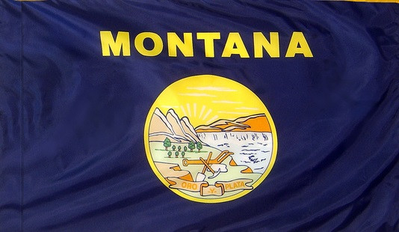
– Recent pro-Second Amendment developments stem from the 2025 session (e.g., HB 809, signed May 2025 by Gov. Greg Gianforte, prohibiting local governments from enacting “red flag” (extreme risk protection) orders or accepting outside funding to promote them; this built on Montana’s strong preemption and no state-level red flag laws).
– Other 2025 actions included protections against discrimination by companies with anti-firearm policies (from prior sessions) and ongoing enforcement of constitutional carry (permitless concealed carry since 2021’s HB 102).
– A federal appeals court ruling in late 2025 interpreted Montana’s permitless carry laws as potentially nullifying federal gun-free school zones beyond school property itself (an unintended consequence of state reforms), but this was judicial, not new 2026 legislation.
– Montana remains one of the most gun-friendly states (top-ranked by groups like Montana Shooting Sports Association for rights protections, with no assault weapon bans, no magazine limits, broad preemption, etc.). No restrictive bills (e.g., new bans or mandates) gained traction recently.
Pro-gun organizations noted the 2025 session adjourned sine die in May 2025 with successes like the anti-red flag preemption, and they plan to monitor for the next full session (2027). Montana Shooting Sports Association continues advocating but has no highlighted 2026 bills.
– A brief special session occurred January 21-23, 2026, but it focused on unrelated matters (e.g., rules amendments, no firearms bills mentioned in journals or submitted bills lists).
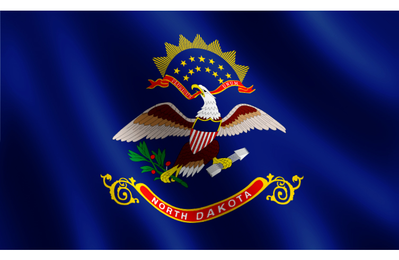
– No major new Second Amendment or firearms bills appear to have been introduced or advanced specifically in 2026. The legislature adjourned sine die from the 2025 regular session in May 2025, with pro-gun successes like HB 1588 (signed April 2025), which enhanced concealed carry rights by removing reporting requirements for permitless carriers during law enforcement contacts, reduced penalties for carry at public gatherings, and allowed the State Board of Higher Education to authorize firearms on campus property.
Key Second Amendment-related Activity Was in the 2025 Regular Session (Bills Carried Into The Biennium)
– HB 1588 (Firearm Carry Enhancement): Signed into law by Gov. Kelly Armstrong in April 2025; improved self-defense carry rules, permitless carry interactions, and campus options.
– Other mentions (e.g., HB 1301 on firearm possession while on probation; HB 1365 on possession at public gatherings; subcommittee work on concealed carry/handguns like HB 1293) were from 2025 and did not see major 2026 revival.
– No suppressor-specific bills (unlike neighboring South Dakota’s SB 2 in 2026 removing suppressors from controlled weapons). North Dakota already has permitless carry (since 2017) and strong preemption/stand-your-ground laws.
– No restrictive measures (e.g., red flag laws) advanced; prior anti-red flag efforts (e.g., HB 1411 in 2025) aimed to ban extreme risk orders but status tied to 2025.
Overall, 2026 saw minimal/no active firearms legislation in North Dakota, with the focus shifting to other states or interim studies.
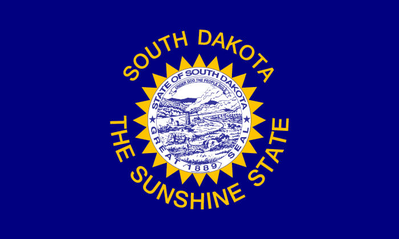
South Dakota maintains very strong gun rights (permitless carry since 2019, constitutional carry, broad preemption, etc.), so efforts focused on further deregulating accessories like suppressors, expanding carry in specific locations, and anti-federal commandeering measures.
Key Bills
– Senate Bill 2 (SB 2) (“Provide that a firearm silencer is not a controlled weapon”): This removed suppressors (silencers) from the state’s “controlled weapons” list (previously treated like machine guns or sawed-off shotguns, with felony penalties for unregistered possession). It aligned state law more closely with federal NFA requirements (still needing a federal tax stamp/approval at the time, though federal changes may have impacted).
– Sponsored by Sen. Casey Crabtree (prime) and many others (bipartisan support).
– Passed unanimously in both chambers (Senate Judiciary, House Commerce, full votes).
– Signed into law by Gov. Larry Rhoden on February 10 (or 11), 2026, at a ceremony in Sioux Falls hosted by Silencer Central.
– A major Second Amendment win for hearing protection in hunting/shooting and setting an example nationally (noted as first-of-its-kind state deregulation).
– House Bill 1132 (HB 1132) (“Prohibit the use of property and personnel in the enforcement of certain federal laws pertaining to firearms”): This anti-commandeering bill aimed to prevent state/local resources from aiding enforcement of select federal gun restrictions (similar to sanctuary-style measures).
– Introduced and in process during the session.
– House Bill 1129 (HB 1129) (“Provide for the carrying of a concealed pistol by certain school district employees”): Expanded concealed carry permissions for specific school staff/employees.
– Advanced through parts of the process but status details limited in records.
– House Bill 1133 (HB 1133) (“Remove an enhanced permit as a condition of carrying a concealed pistol while on the campus of a public institution of higher education”): Sought to ease campus carry requirements by dropping the enhanced permit mandate for colleges/universities.
– Related Efforts (e.g., broader campus/college carry expansions) faced pushback; some similar bills failed in committee (e.g., after concerns raised in hearings around February 2026).
– Other Notes: A potential restrictive bill (e.g., creating new prohibited persons categories without due process, like HB 1114) was opposed by NRA-ILA and had a hearing but limited progress. No major red flag laws or broad restrictions advanced significantly. The session saw both pro- and some anti-gun proposals, but outcomes leaned pro-Second Amendment.
The session emphasized practical expansions like suppressor deregulation amid federal alignment discussions.
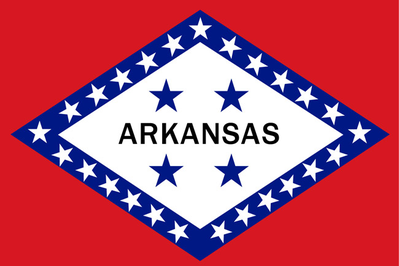
Arkansas has strong Second Amendment protections (permitless carry since 2013, no assault weapon bans, broad preemption, etc.), so legislative focus tends toward refinements or reinforcements rather than major changes.
Notable Developments
– A major pro-gun constitutional amendment, SJR 11 (Senate Joint Resolution 11, from the 2025 regular session), affirming the right to keep and bear arms as a “natural, fundamental, and individual right that shall not be infringed,” extending explicitly to possession/use of ammunition, firearm accessories, and components for defense, hunting, recreation, or other lawful purposes. It was referred by the legislature in April 2025 and will appear on the November 3, 2026, general election ballot (as the Arkansas Right to Keep and Bear Arms Amendment). If approved by voters, it takes effect January 1, 2027. This strengthens state-level protections mirroring/enhancing federal Second Amendment language.
– HB 1481 (Anti-ATF Commandeering Act, pre-filed or carried over): Prohibits state/local entities from providing material aid/support for enforcement of certain federal firearms laws, aiming to limit “commandeering” similar to sanctuary-style measures. It was in process or referenced in recent records.
– HB 1057 (from 2025 regular session, status carried): Amends laws on firearm possession by certain persons, allowing restoration of rights to possess firearms for nonviolent felons. It was recommended for interim study by the House Judiciary Committee.
– Other potential: No prominent new bills on suppressors (though federal changes removing the $200 NFA tax stamp in late 2025/early 2026 have impacted Arkansas owners positively, with state alignment noted in discussions). A prior anti-red flag or extreme risk bill (e.g., HB 1033 from 2025) died without passage.
No major restrictive bills (e.g., new red flag laws, bans, or carry limits) appear to have advanced significantly in the early 2026 fiscal session, which prioritizes budget matters over policy overhauls. Overall state trends remain pro-gun with emphasis on privacy/federal non-cooperation.
The fiscal session is short and active (committees meeting March/April 2026), so new bills could emerge.
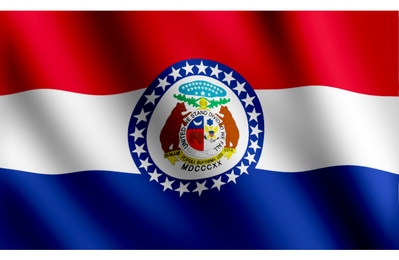
Missouri General Assembly’s 2026 regular session (convened January 7, 2026, and ongoing as of mid-March 2026, with the legislature in spring break after adjourning floor action on March 12, resuming post-break toward a likely May 15 adjournment) has featured numerous bills related to firearms, Second Amendment protections, concealed carry expansions, anti-red flag measures, and financial privacy for gun owners. Missouri has robust gun rights (permitless carry since 2017, preemption of local laws, etc.), so the session has emphasized strengthening protections, reviving aspects of the struck-down Second Amendment Preservation Act (SAPA from 2021), and countering potential federal overreach—often dubbed “SAPA 2.0.”
Key Bills
– Multiple “SAPA 2.0” revival efforts (e.g., SB 858, SB 955, SB 952, SB 1099, HB 3070): These aim to repeal or replace unconstitutional language from the original SAPA (ruled invalid by federal courts in 2023), prohibiting state/local enforcement of certain federal gun laws (e.g., restrictions on types of arms, registration, confiscation), declaring non-recognition of infringing federal acts, and protecting law-abiding citizens’ rights. Several have advanced furthest: some Senate versions scheduled for floor debate (a milestone), others heard in committee (e.g., House General Laws on HB 3070 in March 2026). Nearly 10 such bills exist, with pro-gun groups pushing for fixes while critics call them symbolic.
– SB 1055 (“Anti-Red Flag Gun Seizure Act” provisions): Modifies firearms laws to prohibit enforcement of federal red flag-style orders (seizure without due process), adds self-defense presumptions, allows concealed carry on public transit, and decriminalizes silencers (suppressors) after August 28, 2026 (aligning with federal NFA if compliant). Heard in Senate Transportation, Infrastructure and Public Safety Committee (February 23, 2026).
– SB 1078: Expands concealed carry to public transportation (e.g., buses, transit) for permit/endorsement holders (currently prohibited). Hearing held in committee (February 23, 2026); NRA-ILA supported.
– SB 1128 / SB 1361 (“Second Amendment Financial Privacy Act”): Prohibits firearm-specific merchant category codes (MCCs) for tracking purchases, bars financial institutions from discriminating against gun businesses or creating de facto registries, and prevents government firearm owner lists. Advanced (e.g., do-pass vote in committee for SB 1128).
– SB 1061: Prevents public entities from contracting with businesses that discriminate against firearm-related industries.
– Other Mentions: Lowering concealed carry age from 19 to 18 (in broader bills like HB 2176), preemption reinforcements against local gun laws, and various protections (e.g., employer vehicle storage, no discrimination).
Anti-gun proposals (e.g., red flag laws like HB 2193) exist but have seen limited progress (no hearings scheduled for some). NRA-ILA has tracked the session as featuring strong pro-Second Amendment activity amid competing agendas, urging support for expansions like carry on transit and privacy protections. Over 60-100 gun-related bills pre-filed, making firearms a top topic.
The session is active (post-spring break debates expected), so many bills remain in process—outcomes (passages, amendments, concurrence, vetoes) pending.
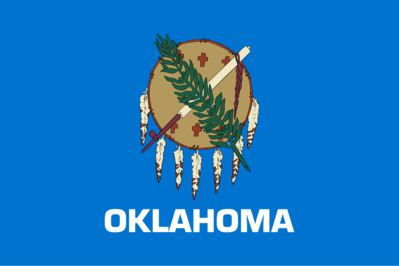
Oklahoma Legislature’s 2026 regular session (2nd Session of the 60th Legislature, convened in early 2026—typically January/February—and ongoing as of mid-March 2026, with no full adjournment yet) has seen multiple bills addressing firearms, carry rights, liability protections, and Second Amendment-related issues.
Key Bills
– HB 2960: Provides civil liability protections for firearm industry members (manufacturers, dealers) against third-party misuse claims of their products. It passed the Oklahoma House on March 4, 2026 (per NRA-ILA reports) and is advancing (likely to the Senate). NRA-ILA has highlighted it as a key pro-Second Amendment measure.
– HB 2937: Amends unlawful carry statutes (21 O.S. §1272) to explicitly allow carry of firearms on water vessels (e.g., boats), defining terms and updating language for consistency with existing self-defense and transport rules. It passed committee and was eligible for House floor vote in late February 2026; related companion SB 1258 (similar vessel carry authorization) passed the Senate floor and moved to the House.
– HB 3301: Ensures that any weapon lawfully possessed under federal law (or excluded from the National Firearms Act) remains legal under state law, preventing state-level criminalization of federally compliant items (e.g., potential alignment on suppressors or other NFA items if federal rules change). It advanced through committee in February 2026 and was pending further action.
– HB 3094: Authorizes certain persons (likely permit holders or officials) to carry concealed handguns into the State Capitol building, with an effective date provision. Introduced and in process.
– HB 3036: Modifies restrictions on carrying firearms on public property, deleting some prohibitions while establishing limits in secured facilities (e.g., courthouses, detention centers), and clarifying permitted public areas. Filed by Rep. Jim Shaw in January 2026.
Notable Mentions
– SB 1665: Prohibits courts from abridging a person’s right to possess a firearm (broad protective language).
– HB 3108 / similar: Creates or references the “Oklahoma Firearms Act of 2026” for codification or comprehensive updates.
Bills on restoration of rights for nonviolent felons (e.g., HB 4125), judge/court carry expansions (e.g., HB 3062 extending to retired municipal judges), and minor clarifications (e.g., felon carry modifications in SB 381).
No major restrictive proposals (e.g., red flag laws, broad bans, or new age limits) appear prominent in available coverage.
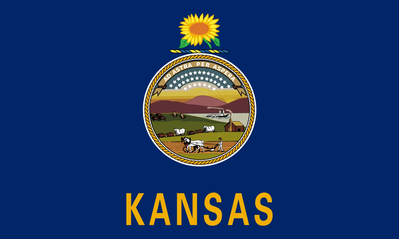
Kansas Legislature’s 2026 session (part of the 2025-2026 biennium, convening January 12, 2026, and ongoing as of mid-March 2026 with the House/Senate adjourned to dates like March 13 or later, potentially adjourning in late April/May) has featured several bills related to firearms, suppressors, short-barreled firearms, and Second Amendment protections.
Key Bills
– HB 2501 (originally related to federal firearms licensee immunity; later amended): Provides immunity from civil liability for federal firearms licensees (FFLs) when returning a firearm to the owner at the end of a “firearm hold” agreement. It was amended in the Senate Federal and State Affairs Committee (around March 10, 2026) to also remove suppressors (silencers) and short-barreled rifles/shotguns from Kansas’s state-level “controlled weapons” list (while retaining the dealer liability protections). This aligns Kansas law more closely with federal NFA regulations (where these items are legal with stamps/tax), allowing possession without state criminal penalties. As of March 13, 2026, it awaits floor action in the Senate. NRA-ILA has strongly supported it for hearing protection in hunting/shooting and Second Amendment exercise.
– SB 503 (predecessor/related to suppressor/short-barreled bill): Introduced earlier (around February 2026), this Senate bill similarly aimed to remove suppressors and short-barreled firearms from the state controlled weapons list. It had a hearing in Senate Federal and State Affairs (March 2, 2026) but appears to have been superseded or incorporated into HB 2501’s amendments. Law enforcement raised concerns about potential impacts, but pro-gun groups pushed for passage to prevent future federal changes from restricting Kansans.
– SB 356 (Firearm hold agreement liability): Focuses on providing federal firearms licensees immunity from civil liability when returning firearms after a hold agreement ends. It advanced through committee (e.g., testimony in February 2026, including NRA support) and saw amendments as late as March 5, 2026.
No major restrictive bills (e.g., red flag laws, broad bans, or age limits) appear to have gained significant traction in 2026.
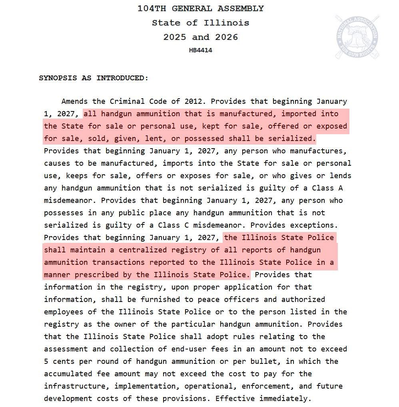
Illinois House Bill 4414: Government Overreach Masquerading as Public Safety
Illinois lawmakers have once again targeted the Second Amendment with House Bill 4414. Introduced on January 13, 2026, by Chicago-area Representative Anne Stava and now sitting in the House Judiciary – Criminal Committee, this bill represents a blatant attempt to expand government control over law-abiding gun owners. If passed, its provisions would take effect January 1, 2027, forcing every handgun round in the state into a bureaucratic nightmare of serialization and registration. Far from enhancing safety, this measure erodes the fundamental right to keep and bear arms by treating ammunition as a regulated commodity rather than a protected component of self-defense.
The Serialization Mandate: An Impractical Burden on Lawful Owners
At its core, HB 4414 demands that every round of handgun ammunition manufactured, imported, sold, lent, or even possessed in Illinois must bear a unique serial number—on both the bullet and its packaging. This requirement applies retroactively to existing stock after the effective date, creating an impossible compliance scenario for manufacturers, retailers, reloaders, and individual owners alike. The technology required for microstamping or laser-etching millions of tiny rounds does not exist at scale without dramatically raising costs and reducing availability.
Responsible gun owners who reload their own ammunition or purchase bulk supplies for training and competition would face insurmountable hurdles. Hobbyists at the range, hunters preparing for season, and families stocking defensive rounds would suddenly need specialized equipment just to stay legal. Criminals, of course, will ignore these rules entirely, rendering the entire scheme ineffective against actual violence while punishing the very citizens who follow the law.
The Centralized Registry: Big Brother Tracks Your Every Purchase
The bill establishes a statewide database managed by the Illinois State Police, requiring the recording of every ammunition transaction with buyer details tied to serialized rounds. Peace officers and state agents gain easy access to this registry, while owners can supposedly request their own records—cold comfort given the potential for data breaches, leaks, or future misuse. This is not about solving crimes; it is a precursor to confiscation, creating a digital paper trail that maps every lawful purchase straight to your doorstep.
Proponents claim this registry will aid investigations, yet ballistic tracing already exists through traditional forensics without infringing on privacy. By forcing every round into the system, the state turns the exercise of a constitutional right into a monitored activity, opening the door to future restrictions based on “suspicious” purchase patterns. History shows that registration schemes inevitably lead to lists used against citizens when political winds shift.
The Hidden Tax: Five Cents Per Round to Fund Tyranny
To finance this expansive program—including serialization infrastructure, registry operations, and enforcement—the Illinois State Police will collect end-user fees up to five cents per round. While framed as a modest charge, these fees will compound quickly for anyone who trains regularly, competes, or maintains a home defense stockpile. The bill caps collections at “actual costs,” but government programs rarely stay within budget, and any surplus simply feeds more bureaucracy.
This amounts to a stealth tax on the Second Amendment, disproportionately affecting working families, veterans, and rural residents who rely on affordable ammunition for sport and protection. Gun owners already shoulder heavy regulatory burdens; adding a per-round levy simply makes exercising constitutional rights more expensive for those who can least afford it.
The enforcement provisions reveal the bill’s true intent. Manufacturing, importing, selling, or lending non-serialized ammunition becomes a Class A misdemeanor. Possessing such rounds in any public place—even during transport to a range or hunting ground—earns a Class C misdemeanor. These penalties transform honest mistakes or logistical challenges into criminal offenses, exposing gun owners to arrest, prosecution, and record stains for technical violations.
Exceptions for law enforcement and military offer little solace to civilians. The vague language leaves room for aggressive interpretation, where a forgotten box of old factory ammo in your vehicle glovebox could trigger charges. This approach does not deter criminals; it intimidates the law-abiding and chills the open carry and transport rights protected under both state and federal law.
Economic and Practical Fallout: Strangling the Firearms Community
Beyond individual rights, HB 4414 threatens Illinois’ firearms industry and shooting community. Retailers must overhaul inventory systems, collect fees, and report every sale. Manufacturers face massive retooling costs passed directly to consumers. Small businesses and gun shops—already navigating Illinois’ hostile regulatory environment—could face closure or relocation out of state. Ranges, clubs, and training facilities will see reduced attendance as ammunition prices climb and compliance fears mount.
The practical reality is even worse: reloading becomes nearly impossible, bulk purchases impractical, and interstate travel risky if any unserialized rounds cross state lines. This bill does not make Illinois safer; it drives gun owners underground or out of state, weakening local economies and community self-reliance.
A Direct Threat to the Second Amendment
House Bill 4414 is not incremental regulation—it is a calculated step toward disarmament through ammunition control. The Second Amendment protects not just firearms but the means to use them effectively. By serializing and registering every round, the state effectively nullifies the right to bear arms for millions of Illinois citizens. This mirrors failed experiments elsewhere that accomplished nothing except expanding government power at the expense of liberty.
Gun owners across the state must recognize this bill for what it is: an assault on our constitutional freedoms dressed in the language of “public safety.” The Judiciary – Criminal Committee hearing scheduled for March 18, 2026, offers a critical moment for opposition. Contact your representatives, join grassroots efforts, and demand rejection of this unconstitutional overreach. The right to keep and bear arms includes the right to affordable, untracked ammunition. Illinois HB 4414 threatens both—and it must be stopped.
– Senate File 2263 (SF 2263): This aimed to expand where firearms can be lawfully carried or stored, prohibiting additional regulations on possessing, transporting, or carrying dangerous weapons in vehicles in public parking lots operated by state or local governments (e.g., city, county, township lots). It initially included broader provisions for school and university parking but was amended on the Senate floor to strip those (removing allowances for K-12 school pick-up/drop-off areas, university campuses, etc.). As passed by the Senate (35-12 vote on February 24, 2026), it focuses on government-operated lots and allows loaded firearms in vehicles for foster care transport. It also passed the Senate but has faced criticism from groups like NRA-ILA for weakening original pro-gun provisions. Now in the House for consideration.
– Senate File 2280 (SF 2280): This expands concealed carry privileges for certain officials, granting a “professional permit” to carry firearms anywhere in the state (including school grounds and courtrooms) to members of the General Assembly (state lawmakers), judicial officers (judges), the Attorney General, deputy attorneys general, and assistant attorneys general. It passed the Senate overwhelmingly (45-2 vote) shortly after SF 2263’s passage, drawing criticism for expanding elite protections while limiting others. It advanced from committee and is moving through the process (similar legislation passed a House committee earlier).
– House File 621 (HF 621): This seeks to allow lawful concealed carry in vehicles while picking up/dropping off at schools or making deliveries, with firearms required to be secured in the vehicle and limited to school driveways/parking areas. It advanced from the House Education Committee and is pending a full House vote (NRA-ILA urged action as of March 13, 2026, noting the chamber-of-origin deadline looming). This is a priority for expanding self-defense rights near schools.
Other Mentions
– Some bills like SF 2257 addressed firearm eligibility requirements (e.g., clarifying disqualifiers), with subcommittee action in February 2026.
– HF 2398 or related measures touched on firearms on school property/vehicles, often in education committee contexts.
– No major anti-gun bills (e.g., red flag laws or broad restrictions) appear to have gained traction; the session leaned pro-Second Amendment overall, though with compromises and criticisms of “elite carve-outs.”
The session timetable shows funnel deadlines passed (e.g., February 20 for committee reports, March 20 for crossover), with debate ongoing into March. As of March 13, 2026, bills like HF 621 are still active and need floor action soon. Outcomes (passage, vetoes, signing) may still be pending for some.