2026 Reform Overview
These reforms, framed as part of the agency’s “New Era of Reform,” aims to modernize legacy regulations, slash unnecessary paperwork, and ease burdens on law-abiding gun owners without compromising core safety measures.
These updates build upon the historic elimination of the $200 National Firearms Act (NFA) transfer tax stamp, effective January 1, 2026, through the One Big Beautiful Bill (H.R. 1). For Second Amendment advocates, hunters, and recreational shooters—particularly in pro-2A states like Indiana—this package represents meaningful progress toward recognizing suppressors as essential tools for hearing protection, recoil management, and responsible firearm use.
Historical Context and the Tax Stamp Elimination
Suppressors have been regulated under the NFA since 1934, when the $200 tax stamp—equivalent to thousands in today’s dollars—was imposed amid concerns over organized crime. For decades, this financial barrier, combined with lengthy ATF approval waits, fingerprints, photos, and local law enforcement notifications, limited widespread civilian adoption.
The 2025 passage and 2026 implementation of the tax elimination changed everything. Sales surged dramatically. The American Suppressor Association (ASA) reported that registrations grew from approximately 4.4 million in early 2025 to nearly 6 million by April 2026, with the first quarter of 2026 alone rivaling decades of prior growth. In Indiana, where suppressors are legal for ownership, possession, and hunting with no additional state restrictions, this opened doors for more residents to enhance safety at ranges and in the field.
Despite the tax victory, full NFA processes remained intact, prompting calls for further reform. The ATF’s April 2026 announcement directly responds to these concerns, aligning with Executive Order 14206 emphasizing Second Amendment protections.
Overview of the ATF’s 34 Rule Changes
The package spans five categories: burden reduction, modernization, clarification, repeal of outdated rules, and compliance improvements. Some rules are final and effective immediately; the majority are proposed notices of rulemaking (NPRMs) open for public comment, typically 60-90 days, via Regulations.gov. ATF Director Robert Cekada highlighted collaboration with industry stakeholders and a focus on practical governance.
Not all 34 directly target suppressors, but many impact NFA items broadly, including suppressors, SBRs, and machine guns. The agency estimates significant time and cost savings for applicants and Federal Firearms Licensees (FFLs).
Detailed Breakdown of Key Proposed Changes for Suppressors
Joint Spousal Registration (Trust Elimination for Couples):
One of the most practical changes allows married couples to jointly register suppressors and other NFA items on a single ATF Form 4. Previously, many families formed gun trusts solely to facilitate sharing, incurring legal fees and complexity. Under the proposal, spouses can share possession legally without this step, provided they meet eligibility requirements. This reduces barriers for households and reflects real-world use patterns where suppressors serve family safety needs.
Elimination of Chief Law Enforcement Officer (CLEO) Notifications:
Applicants will no longer submit copies of NFA applications to local CLEOs. This longstanding requirement raised privacy issues, as sensitive personal and financial data was shared locally. Removing it streamlines the process, protects applicant information, and eliminates potential delays from local responses. This is a major win for privacy-conscious owners.
Streamlined Interstate Transport Rules:
Reforms ease or eliminate certain notification requirements for transporting registered suppressors across state lines for temporary periods (e.g., less than 365 days for certain activities). Owners can more easily travel for competitions, hunting trips, or vacations without excessive ATF paperwork, provided the suppressor remains registered and compliant. This modernizes rules that have not kept pace with mobile lifestyles.
Modernization of Forms and Electronic Systems:
Updates to ATF Form 4473 (Firearms Transaction Record) simplify questions, improve clarity, and support electronic recordkeeping. For NFA transfers, enhanced eForms stability aims to reduce processing backlogs. Proposed changes also address record retention periods and digitization, potentially leading to faster approvals industry-wide.
Clarifications on Suppressor Parts and Components:
The package includes proposals to refine regulations governing suppressor parts, reducing ambiguity that previously complicated manufacturing, repairs, and ownership. This provides clearer guidance for both industry and individuals.
Repeals and Alignment with Court Precedents:
Several rules repeal or revise prior overreaches, such as aspects of the 2023 stabilizing brace regulations found unlawful by courts. While not suppressor-specific, these set a tone of regulatory restraint that benefits the entire NFA community. Additional proposals simplify registration procedures for NFA firearms overall.
Other Notable Reforms:
Improvements to import/export procedures, FFL operational rules, and compliance tools indirectly support a healthier suppressor market. The ATF also proposed revisions to the “engaged in the business” dealer definitions and other areas for clarity.
Implications for Gun Owners and the Firearms Industry
For individual owners, these changes translate to less hassle, lower costs (beyond the tax savings), and greater accessibility. A typical suppressor purchase or transfer becomes more family-friendly and travel-ready. In states like Indiana, where no additional permitting exists, the federal easing amplifies local freedom.
The industry has responded positively. Manufacturers continue innovating with lighter, more effective designs showcased at SHOT Show 2026. Retailers report sustained demand, and organizations like the ASA, supported by contributions from companies such as Rugged Suppressors and Palmetto State Armory, are actively commenting on the proposals to ensure pro-owner outcomes.
Public safety remains addressed through continued background checks via the National Instant Criminal Background Check System (NICS) and registration in the NFRTR. Criminal misuse stays prohibited, while law-abiding citizens gain practical relief.
Constitutional and Legal Developments
The ATF reforms coincide with important court rulings. In June 2026, the U.S. Court of Appeals for the Fifth Circuit held that suppressors are protected “arms” under the Second Amendment’s plain text. The court recognized their utility in making firearms safer and more effective for self-defense and sporting purposes by mitigating noise and recoil. Although the specific conviction for unregistered possession was upheld based on precedent, the ruling advances arguments against burdensome schemes and creates favorable precedent in key jurisdictions.
This decision, alongside earlier adjustments in related cases, bolsters challenges to the full NFA framework. Advocacy groups continue pushing for Supreme Court review where appropriate, emphasizing historical traditions of arms ownership.
Challenges, Public Comment, and Implementation
Many rules are still proposed, requiring robust public input. The ASA and other groups encourage detailed comments highlighting real-world benefits and any remaining issues. Implementation timelines vary: final rules may take effect soon after review, while proposed ones could evolve based on feedback.
Potential challenges include ensuring ATF resources match increased demand and addressing any state-law conflicts. Some states tie suppressor legality to federal NFA status, necessitating proactive legislative fixes.
Future Legislative Outlook
The ATF changes are regulatory, not statutory. Bills like the Hearing Protection Act (H.R. 404 / S. 364) and the SHUSH Act (H.R. 850) seek fuller removal of suppressors from the NFA, enabling purchases akin to standard firearms after a single background check. These enjoy strong support in pro-2A circles and could build on the current momentum.
For 2A Advocates, monitoring both federal and state developments remains key to preserving and expanding rights. Continued engagement with lawmakers and education on suppressor benefits—such as reduced hearing damage for shooters and bystanders—will drive progress.
Industry Innovation and Market Trends
2026 has seen a boom in suppressor technology. New releases emphasize modularity, lighter materials like titanium, and multi-caliber versatility. With tax and regulatory relief, more owners are exploring suppressed shooting for everything from home defense to varmint control and long-range precision.
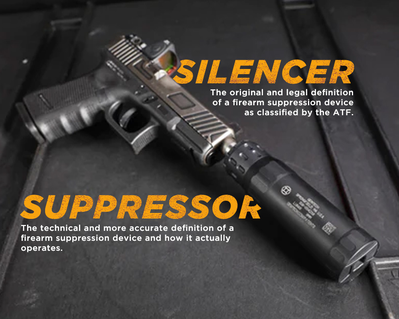
Educational efforts highlight suppressors’ role in hearing conservation, countering outdated “silencer” myths. Nearly 6 million registered units demonstrate common-use status under Second Amendment analyses.
A Step Forward for Responsible Ownership
The ATF’s 34 rule changes mark a historic effort to reform NFA processes in ways that respect law-abiding citizens. By detailing joint registration, CLEO relief, transport easing, form modernization, and more, the proposals address longstanding pain points while upholding background checks and registration.
Coupled with the tax stamp removal, explosive market growth, judicial recognition of suppressors as protected arms, and ongoing innovation, 2026 represents a high-water mark for the suppressor community. Challenges remain—full NFA removal, state harmonization, and final rule implementation—but the trajectory is positive.
Gun owners are encouraged to review the proposals on ATF.gov, submit informed comments, and stay engaged. For those in Indiana and beyond, this is an opportunity to embrace safer shooting practices and advocate for continued reforms. As suppressors become more normalized as hearing protection devices, the benefits for public health, shooting sports, and constitutional liberties will only grow. Responsible ownership, education, and vigilance will ensure these gains endure.