Author: Indiana 2A

  • Maine 2026 Second Amendment Bills and Firearm News

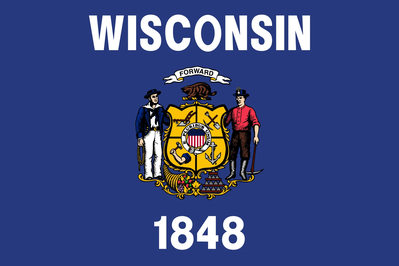
    The flag of Maine featuring the state seal, which includes a pine tree, a moose, and two figures representing agriculture and maritime heritage, set against a blue background.

    Balancing Rights, Safety, and Public Policy 

    Maine, known for its rugged outdoors and strong tradition of individual liberties, continues to navigate the complex intersection of Second Amendment rights and public safety concerns in its legislative sessions. The 132nd Legislature’s activities in 2025–2026 reflected ongoing debates intensified by the 2023 Lewiston mass shooting, voter initiatives, and federal court rulings.

    Background: Maine’s Firearm Culture and Recent Triggers

    Maine has historically maintained relatively permissive gun laws compared to many Northeastern states, with no permit required for open or concealed carry (with some restrictions) and strong support for hunting and self-defense. Article I, Section 16 of the Maine Constitution affirms the right to keep and bear arms. However, events like the Lewiston tragedy, which claimed 18 lives, prompted legislative responses including background check enhancements and a 72-hour waiting period enacted in 2024. 

    In November 2025, voters approved Question 2, establishing an extreme risk protection order (red flag) law alongside the state’s existing yellow flag process. This measure, passing with approximately 63% support, allows family members or law enforcement to petition courts to temporarily remove firearms from individuals deemed a significant risk to themselves or others. It marked a shift, elevating Maine’s national gun law ranking to 21st by early 2026 according to groups like Everytown for Gun Safety. 

    These developments set the stage for a contentious 2026 session, with dozens of firearm-related bills introduced amid partisan divides.

    Key Pro-Second Amendment Legislation and Outcomes

    Second Amendment advocates, including the NRA and local groups, mobilized effectively against a wave of proposed restrictions. Several pro-gun measures advanced, highlighting priorities like privacy, youth engagement, and rights restoration. 

    LD 1867: Protecting Financial Privacy for Gun Owners

    Sponsored by Senator Matt Harrington (R-York), this bill prohibits financial institutions from assigning a specific merchant category code (MCC) to firearm, ammunition, or accessory sales. It aims to prevent the creation of de facto gun registries through transaction tracking and potential discrimination against gun-related purchases. The legislation passed both chambers and awaited final appropriations action. Proponents viewed it as essential defense against financial surveillance, aligning with similar efforts in other states. 

    LD 1009: Pathway for Nonviolent Felons to Restore Firearm Rights

    This bipartisan measure, which advanced through both chambers in April 2026, allows individuals convicted of certain nonviolent felonies to petition a district court for restoration of firearm rights after 10 years post-sentence, excluding serious crimes like murder, assault, or trafficking, and repeat offenders. Supporters, including Democrats like Rep. Nina Milliken and Republicans like Rep. Jennifer Poirier, framed it as restoring full civil rights for rehabilitated individuals, promoting fairness and consistency with rights like voting. It carried a significant fiscal note (over $830,000) and faced opposition over interstate record-keeping concerns, but its progress represented a notable rights-expansion win. 

    LD 1322 and LD 1174: Youth Hunting and FFL Liability Protections

    LD 1322, sponsored by Rep. Tiffany Roberts (D-South Berwick), expands youth hunting seasons and outreach, signed into law to boost participation in traditional outdoor activities. LD 1174 provides liability protections for federal firearm licensees (FFLs) entering voluntary hold agreements with veterans and first responders in crisis, also enacted. These bills underscore support for responsible firearm culture and mental health considerations without broad restrictions. 

    LD 525: Expanding Property Rights for Firearm Discharge

    This proposal sought to strengthen Second Amendment rights by allowing firearm discharge on private property within 500 feet of schools under certain conditions. It reflected efforts to push back against regulatory overreach on lawful owners. 

    Other efforts, such as repeals of the waiting period or red flag law (e.g., elements of LD 208 and LD 1230), largely failed despite committee discussions, preserving recent safety measures while courts weighed constitutionality. 

    Gun Control Measures: Serial Numbers, Waiting Periods, and Capacity Limits

    Opponents of expansive gun rights introduced several bills, with mixed results. A new law requiring serial numbers on all firearms and prohibiting undetectable “ghost guns” was celebrated by groups like GIFFORDS as a tool against untraceable weapons. It addresses emerging threats from 3D-printed or unfinished frames/receivers. 

    LD 1109 proposed banning large-capacity ammunition feeding devices to reduce casualties, though its fate mirrored many control bills that stalled. 

    The 72-hour waiting period, enacted post-Lewiston, faced immediate legal challenges. A federal district court initially enjoined it, but the First U.S. Circuit Court of Appeals upheld it in April 2026 as likely constitutional under post-Bruen analysis, reversing the lower court and allowing implementation pending further proceedings. This ruling has implications beyond Maine, offering a framework for similar laws. Repeal attempts failed in the legislature, with Democrats emphasizing its role in preventing impulsive violence and suicides (which comprise the vast majority of Maine firearm deaths). 

    The red flag law’s implementation and voter backing proved resilient, with repeal efforts rejected as premature or anti-democratic. 

    Court Rulings and Legal Landscape

    Federal litigation remains pivotal. The waiting period case exemplifies ongoing Second Amendment scrutiny following Supreme Court precedents. Maine’s courts and legislature also grapple with implementation details for red flag orders, balancing due process with risk prevention. Broader challenges to serial number requirements and other regulations are anticipated. 

    Maine’s summary of gun laws, updated in 2026 by the Maine Gun Safety Coalition, provides a neutral reference for owners, covering possession, sales, and use amid evolving rules. 

    Broader Firearm News and Community Impact

    Maine’s firearm debate extends beyond Augusta. Hunting and recreational shooting remain economic and cultural cornerstones, supported by initiatives like expanded youth programs. Gun violence, though lower than national averages, concentrates in suicides and isolated incidents, fueling data-driven arguments on both sides. 

    Advocacy groups across the spectrum remain active. The NRA-ILA highlighted grassroots engagement defeating most control bills. Gun safety coalitions tracked progress on traceability and risk protection. Public opinion appears divided, with rural and urban perspectives often clashing, as seen in referendum turnout. 

    Economic aspects, such as FFL operations and potential impacts of MCC restrictions or liability shields, affect small businesses. Nationally, Maine’s actions are monitored as a bellwether for New England gun policy.

    Outlook for Maine Firearms Policy

    As the 132nd Legislature adjourned in April 2026, several bills lingered on the appropriations table, their fates tied to budget priorities. The session demonstrated resilience in Second Amendment protections amid safety pushes, with pro-gun measures advancing and major restrictions blunted. 

    Future sessions may revisit waiting periods, capacity limits, and restoration processes depending on court outcomes and elections. Maine’s approach—voter-driven on red flags, litigated on waits, and incrementally adjusted—reflects a state grappling with constitutional fidelity and community safety in a polarized era.

    Stakeholders urge continued civic engagement, whether through testimony, voting, or education. Responsible ownership, training, and storage remain foundational. As Maine moves forward, its firearm policies will test the balance between cherished rights and evolving threats, informing national discourse.

  • New Hampshire 2026 Second Amendment Bills and Firearm News

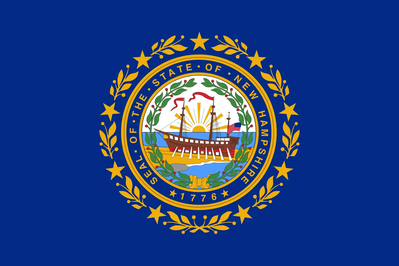
    Flag of New Hampshire featuring the state seal, which includes a ship, laurel wreath, and the year 1776, all set against a blue background.

    The 2026 legislative session has featured several high-profile bills addressing preemption, campus carry, state sovereignty over firearms manufacturing, and intersections with other policies like medical cannabis. 

    This article examines key developments, major bills, stakeholder perspectives, and broader context in New Hampshire’s firearm landscape as of early June 2026.

    Background: New Hampshire’s Pro-Second Amendment Tradition

    New Hampshire’s Constitution explicitly affirms the right to keep and bear arms for self-defense, family, property, and the state. The state has no permit-to-purchase requirement, no firearm registration, and no general licensing for ownership or carry (beyond federal prohibitions). Private sales between individuals do not require background checks, though licensed dealers must comply with federal NICS procedures for handguns via the state Department of Safety. 

    Constitutional carry, enacted in 2017, eliminated the need for a license for concealed carry, aligning New Hampshire with a growing number of states embracing permitless carry. Pistol/revolver licenses are still issued voluntarily, primarily for reciprocity with other states. This permissive framework reflects a cultural emphasis on individual liberty, outdoor heritage (including hunting seasons for deer, turkey, and more), and skepticism of restrictive gun control measures. 

    In 2026, Republican majorities in the legislature have pushed proactive bills to strengthen these rights against potential future encroachments by local governments, state agencies, or federal overreach.

    HB 609: Expanded Firearms Preemption

    One of the session’s most significant bills is HB 609, which seeks to broaden state preemption over firearm regulations. Existing law already limits municipalities from enacting their own restrictions on firearms. HB 609 extends this to state agencies and expands coverage to include not just firearms and ammunition but also knives, stun guns, tasers, pepper spray, and other self-defense tools. 

    The bill aims to ensure uniform statewide policy, preventing a patchwork of local rules that could undermine constitutional rights. Proponents, including many Republican lawmakers and groups like the NRA-ILA and Gun Owners of America, argue it represents one of the strongest pro-Second Amendment actions since constitutional carry. A joint committee of conference reached agreement in late May 2026, with votes scheduled for June 4. 

    However, the bill has faced notable opposition. Republican Attorney General John Formella urged rejection in a letter to lawmakers, warning that it could create a “regulatory cliff,” legal uncertainty for law enforcement, and unintended risks to Second Amendment rights and public safety. Critics, including some police associations, expressed concerns about enforcement challenges and overreach. 

    As of the latest reports, the outcome of the June 4 votes remains pivotal. Passage would mark a major victory for gun rights advocates by centralizing authority with the General Court (state legislature).

    Campus Carry Debates: HB 1793

    HB 1793, often called the “Protecting College Students Act,” has been a focal point of contention. The original House version sought to prohibit public colleges and universities from restricting the possession, carry, storage, or lawful use of firearms and non-lethal weapons on campus. Sponsored by Rep. Sam Farrington (R-Rochester), a University of New Hampshire student, it emphasized that “gun-free zones” do not enhance safety and that law-abiding citizens should not be disarmed on campus. 

    The House passed an expansive version earlier in the session (188-165), but the Senate took a more cautious approach. The Senate version allowed faculty to carry firearms while limiting or studying broader student access, and included provisions for non-lethal defensive tools. Disagreements led to a refusal to accede to conference in some proceedings, and the bill ultimately did not become law in its stronger forms. 

    Opponents, including university administrators (e.g., at UNH), law enforcement, and Democrats, raised safety concerns, arguing that more guns on campus could increase risks, accidents, or escalations. Supporters countered with data from other states and the principle that rights do not end at campus boundaries. While full campus carry stalled, the debate highlighted divisions even within pro-gun circles and underscored ongoing tensions between rights and institutional policies. 

    Other Notable 2026 Firearm-Related Bills

    Several additional bills advanced or gained attention:

    •  HB 1697 (Made in NH Protection): This bill seeks to exempt firearms, ammunition, and accessories manufactured and retained entirely within New Hampshire from federal regulations, reinforcing state sovereignty and supporting local industry. 

    •  HB 1446: Protects the firearm rights of individuals participating in New Hampshire’s therapeutic cannabis program. It prevents disqualification from purchasing, owning, or possessing firearms based solely on lawful medical cannabis use, addressing conflicts between state medical programs and federal prohibitions. The bill includes provisions for attorney general intervention in related cases. 

    •  Anti-gun proposals, such as HB 1642 (establishing extreme risk protection orders, or “red flag” laws) and HB 1387 (repealing liability protections for manufacturers), faced strong opposition and were largely stalled or rejected in committee. Efforts to mandate firearm restrictions in school zones or curricula also drew debate but reflected minority positions. 

    These bills illustrate a proactive legislative strategy to close perceived loopholes and defend against incremental restrictions.

    Broader Firearm News and Context

    Beyond legislation, New Hampshire’s firearm culture thrives through hunting, sport shooting, and self-defense. Seasonal hunting regulations continue to support traditional outdoor activities, with deer firearms seasons and turkey hunts drawing participants statewide. 

    Recent years have seen expansions like “guns at work” provisions (e.g., HB 1336 effective 2025), allowing storage in vehicles on certain employer properties. New Hampshire has also joined multistate efforts, such as challenging restrictive gun laws in neighboring Massachusetts before the U.S. Supreme Court. 

    Public opinion in the state generally supports strong Second Amendment protections, though urban-rural divides and concerns over school safety persist. Crime rates involving firearms remain relatively low compared to national averages, bolstering arguments for rights-focused policies.

    Challenges include potential federal interactions, enforcement nuances, and balancing rights with public safety perceptions. The 2026 session’s outcomes will influence the trajectory for years to come.

    Implications and Outlook

    The 2026 efforts reinforce New Hampshire’s reputation as a Second Amendment stronghold. Successful passage of measures like enhanced preemption would limit future regulatory creep, while stalled campus carry highlights the need for continued advocacy and compromise. Bills addressing cannabis compatibility and in-state manufacturing demonstrate a holistic approach to protecting related liberties. 

    For gun owners, advocates, and policymakers, vigilance remains key. As the legislative session concludes (with potential veto considerations later), the focus will shift to implementation, legal challenges, and preparation for future sessions. New Hampshire’s model—emphasizing personal responsibility, minimal bureaucracy, and constitutional fidelity—offers lessons for other states navigating similar debates.

    In summary, 2026 has been a year of ambitious pro-Second Amendment activity in the Granite State. While not every bill achieved full success, the momentum underscores a commitment to preserving core freedoms amid evolving national discussions on firearms. Residents and stakeholders are encouraged to stay informed through official legislative trackers and engage with their representatives. 

  • Vermont 2026 Second Amendment Bills and Firearm News

    Flag of Vermont featuring the state seal with a green tree, a cow, and mountains, set against a blue background.

    Historical Context of Firearm Laws in Vermont

    Vermont has historically stood out as one of the most gun-friendly states in the Northeast. The state’s constitution explicitly protects the right to bear arms, and it pioneered constitutional carry—allowing permitless concealed carry for law-abiding adults—decades before it became more widespread nationally. Vermont traditionally avoided many of the restrictive measures seen in neighboring states like New York or Massachusetts, such as assault weapon bans or strict permitting requirements. 

    However, in recent years, particularly following high-profile incidents of gun violence and shifting demographics in parts of the state, Democratic majorities in the legislature have pushed for incremental restrictions. Proponents argue these measures address public safety concerns, including stolen firearms used in crimes and risks associated with mental health crises. Opponents, including groups like the Vermont Federation of Sportsmen’s Clubs (VTFSC) and the National Rifle Association (NRA), contend that such laws infringe on constitutional rights without effectively reducing crime, often citing Vermont’s historically low violent crime rates relative to more restrictive jurisdictions. 

    The 2026 session built on these tensions, with a flurry of bills introduced early in the year.

    Key Second Amendment-Related Bills in the 2026 Session

    Several standout bills dominated discussions:

    H.606 – The Omnibus Firearms Bill: This was the most prominent piece of legislation, often described as a comprehensive “gun control package.” Introduced by Rep. Angela Arsenault (D-Williston) and others, it proposed making theft of any firearm a felony (grand larceny regardless of value), increasing penalties for prohibited persons possessing firearms, restricting gun ownership for individuals under certain court-ordered outpatient mental health treatments, and cracking down on machine guns and conversion devices that enable rapid fire. 

    The bill passed the House on March 19, 2026, after significant amendments driven by Second Amendment advocacy. Removed provisions included attempts to circumvent federal protections for the firearms industry (PLCAA) and broader bans on “rapid fire devices.” Despite changes, concerns remained over the mental health provisions, which critics argued could strip rights from individuals deemed safe enough for community living. 

    The bill advanced to the Senate but ultimately failed to reach final passage before the session ended, with the House declining to concur on Senate amendments. This outcome was hailed by pro-Second Amendment groups as a victory for grassroots engagement. 

    Assault Weapon and Semiautomatic Restrictions (S.167, H.604, H.381): Multiple bills targeted semiautomatic firearms. S.167 sought to prohibit possession of “semiautomatic assault weapons,” defining them with features like detachable magazines and pistol grips, with penalties of up to one year in prison or fines. Similar proposals in H.604 and H.381 focused on gas-operated semiautomatics, directing the Attorney General to publish prohibition lists. 

    These measures faced strong opposition and did not advance to enactment, consistent with Vermont’s tradition of respecting commonly owned firearms.

    Alcohol Premises and Local Restrictions: Efforts continued to ban or restrict firearms in bars and establishments serving alcohol, including pushes related to Burlington’s charter. Bills like those reviving earlier proposals from Sen. Phil Baruth encountered resistance, with Gov. Phil Scott signaling skepticism toward broad restrictions. 

    Other proposals included expanded storage requirements, excise taxes on firearms and ammunition, and prohibitions in state buildings. Many of these stalled amid partisan divides. 

    Stakeholder Perspectives and Advocacy

    The legislative process highlighted deep divisions. Gun control advocates, including GunSense Vermont, emphasized preventing access by prohibited persons and addressing emerging threats like conversion devices. They pointed to incidents of stolen guns fueling crime. 

    Conversely, Second Amendment organizations mobilized effectively. The NRA-ILA and VTFSC coordinated testimony, public alerts, and constituent contacts, securing amendments and blocking the most expansive elements of H.606. Chris Bradley of the VTFSC expressed concerns that mental health provisions could unjustly disarm individuals cleared by courts. 

    Gov. Phil Scott, a Republican with a moderate record on guns, voiced reservations about aspects of the omnibus bill, contributing to its demise. 

    Broader Firearm News and Trends in Vermont 2026

    Beyond legislation, Vermont saw continued legal challenges to existing restrictions, such as large-capacity magazine and waiting-period laws, with appeals ongoing in federal courts post-Bruen framework. 

    Crime trends involving firearms remained a focal point. Proponents of restrictions highlighted thefts and mental health overlaps, while opponents noted that Vermont’s overall firearm homicide rates remain low compared to national averages in high-restriction urban areas. Hunting and sporting culture continue to thrive, underscoring firearms’ role in rural life and recreation.

    The session’s end without major new restrictions preserved much of Vermont’s traditional framework, but advocates on both sides anticipate renewed efforts in 2027.

    Legal and Constitutional Considerations

    Many proposed measures invite Second Amendment scrutiny under the U.S. Supreme Court’s Bruen decision, which requires gun laws to align with the nation’s historical tradition. Vermont’s own constitution reinforces this right. Court challenges to prior laws suggest future bills banning common semiautomatics or imposing broad mental health disqualifications could face litigation. 

    Federal preemption also played a role, as seen in efforts to align or expand state definitions of machine guns and NFA items.

    Implications for Gun Owners and Policymakers

    The 2026 session demonstrated the effectiveness of informed advocacy in a divided legislature. While no sweeping bans passed, the volume of proposals signals persistent pressure for change. Gun owners are advised to stay engaged, support pro-Second Amendment candidates, and ensure compliance with evolving storage and prohibited-person rules.

    For policymakers, balancing public safety with constitutional rights remains paramount. Evidence-based approaches focusing on prosecution of criminals, secure storage education, and mental health resources—without broadly disarming law-abiding citizens—may offer common ground.

    Vermont’s experience mirrors national tensions: a desire for safety amid respect for foundational liberties. As the state heads into the next biennium, the outcome of 2026 underscores that robust debate and civic participation are essential to preserving the Second Amendment in the Green Mountain State.

  • Massachusetts 2026 Second Amendment Bills and Firearm News 

    Flag of Massachusetts featuring the state seal with a Native American figure and a blue shield.

    Massachusetts Firearms Framework Pre- and Post-Bruen

    Massachusetts has long maintained stringent gun laws, including licensing for possession and carry, bans on certain accessories, and restrictions on assault-style weapons. The 2022 U.S. Supreme Court decision in New York State Rifle & Pistol Association v. Bruen fundamentally altered the legal terrain by requiring that gun regulations be consistent with the nation’s historical tradition of firearm regulation, particularly for public carry. 

    In response, Massachusetts lawmakers passed House Bill 4885 (H.4885), signed into law by Governor Maura Healey in July 2024 and effective October 2, 2024, as Chapter 135 of the Acts of 2024 (An Act Modernizing Firearm Laws). Proponents described it as the most significant gun safety legislation in a decade, targeting ghost guns, enhancing red flag provisions, and updating licensing. Critics, including gun rights groups, argued it imposed burdensome new requirements on law-abiding owners while doing little to address criminal misuse. 

    The law transformed aspects of the licensing regime toward a “shall issue” framework in some respects (subject to suitability determinations) but added layers of regulation, including mandatory training and registration elements. 

    Key Provisions of Chapter 135 (H.4885)

    The 116-page omnibus bill introduced several notable changes:

    •  Ghost Guns and Serialization: It cracks down on unserialized, privately made firearms (“ghost guns”) by requiring serialization and regulating parts kits. 

    •  Assault-Style Firearms: Updates and expands prohibitions on certain assault-style weapons. 

    •  Registration and Tracking: Establishes an electronic registration system for firearms, with a compliance deadline of October 2, 2026, for many owners. The Massachusetts Firearms Record Bureau oversees this through the MIRCS portal. 

    •  Training Requirements: Mandates Basic Firearm Safety (BFS) certificates, with live-fire components for certain licenses. Existing certificates may be accepted temporarily until new curricula are fully implemented (e.g., through early 2026). 

    •  Red Flag and Extreme Risk Protections: Expands who can petition for Extreme Risk Protection Orders (e.g., school administrators, healthcare providers) and allows courts to order firearm surrender in harassment prevention cases. 

    •  Age and Other Restrictions: Includes provisions affecting younger adults (18-20) for certain handguns and semiautomatics, alongside limits on carry in sensitive places like polling locations and government buildings. 

    •  Licensing Updates: Shifts toward standardized processes while maintaining suitability reviews under M.G.L. c. 140 §121F. Nonresidents face new or clarified licensing rules. 

    Guidance documents from the Office of Public Safety and Security (OPSS), including the fourth issued in November 2025, continue to clarify implementation details, deadlines, and exceptions. 

    The 2026 Veto Referendum: Repeal Effort on the Ballot

    The most significant development for 2026 is the Massachusetts Firearm Regulations Referendum, a veto referendum on the November 3, 2026, ballot. Gun rights advocates gathered over 90,000 signatures to challenge Chapter 135. 

    •  A “Yes” vote upholds the law.

    •  A “No” vote repeals it entirely. 

    Supporters of repeal, including groups like the Gun Owners’ Action League and others in the Civil Rights Coalition, contend the law burdens constitutional rights, creates bureaucratic hurdles (e.g., universal registration), and fails to target criminals effectively. Opponents, via campaigns like “Vote Yes: Protect MA Gun Safety Law,” argue it enhances safety by addressing ghost guns and violence prevention. 

    The referendum’s outcome could reshape Massachusetts gun policy for years. Early polling and advocacy suggest a closely watched contest reflecting broader national tensions post-Bruen. 

    Other 2026 Legislative Activity and Carried-Over Bills

    The 194th General Court’s session includes carried-over gun control measures from prior years. Bills like H.3980 (related to further firearm regulation) and others focus on topics such as industry accountability, additional restrictions, or implementation tweaks. 

    The National Rifle Association–ILA and allies monitor proposals like HB 2672, viewed by some as enabling regulatory overreach against the firearms industry.  Pro-Second Amendment groups emphasize pushing back against measures that treat rights as privileges. Meanwhile, suitability determinations remain a flashpoint, with courts reinforcing that denials require clear justification under the post-Bruen framework. 

    Nonresident licensing, youth restrictions, and hunting-related provisions (e.g., nonresident and youth rules) also draw attention from sportsmen’s organizations. 

    Legal Challenges and Court Developments

    Several lawsuits test the boundaries of Massachusetts law:

    •  Challenges to the under-21 ban on handguns and semiautomatics for possession and carry. 

    •  Litigation over nonresident licensing schemes, with the state’s highest court upholding certain requirements while acknowledging Bruen’s impact. 

    •  Broader suits against registration, training mandates, and assault weapon prohibitions, often citing historical tradition requirements.

    These cases underscore ongoing judicial scrutiny, with outcomes potentially influencing the 2026 referendum and future legislation. 

    Broader Firearm News and Context

    Massachusetts consistently ranks among states with low gun violence rates, a point cited by both sides: safety advocates credit strict laws, while rights groups highlight cultural, socioeconomic, and enforcement factors alongside lawful ownership. 

    Implementation challenges persist, including delays in standardized safety courses and questions over registration compliance. Sportsmen note impacts on hunting and recreational shooting. 

    Federally, Bruen and subsequent cases continue to ripple through state policies. Nationally, 2026 will see other states’ measures (e.g., assault weapon rules in Rhode Island), providing comparative context. 

    Advocacy remains vigorous on both sides. Pro-gun organizations stress education, training, and enforcement against prohibited persons. Safety groups focus on prevention programs and community outreach. 

    Looking Ahead: Implications for Gun Owners and Voters

    For Massachusetts residents, 2026 is a critical year. Gun owners should monitor registration deadlines (October 2026 for many), training requirements, and suitability processes. Consulting legal resources or attorneys familiar with the evolving statutes is advisable amid uncertainty from the referendum. 

    The ballot question will test public sentiment on balancing rights and regulation in a state with deep Revolutionary War roots in armed self-defense. Regardless of the outcome, expect continued litigation, legislative fine-tuning, and advocacy.

    Massachusetts’ experience illustrates the national Second Amendment debate: how states adapt to constitutional mandates while addressing public safety concerns. As voters head to the polls in November 2026, the decision on Chapter 135 could set a precedent for other jurisdictions navigating similar tensions. 

    In summary, while Massachusetts maintains robust restrictions, the combination of judicial oversight, grassroots petitioning, and implementation realities ensures dynamic change. Stakeholders across the spectrum will watch closely as bills advance, courts rule, and voters weigh in on the future of firearm rights in the Bay State.

  • Rhode Island 2026 Second Amendment Bills and Firearm News

    The flag of Rhode Island featuring a gold anchor surrounded by 13 stars and a blue ribbon with the word 'Hope'.

    Introduction: A Continuing Battle Over Firearms Rights in the Ocean State

    Rhode Island, long known for its dense population and urban challenges, remains a focal point in the national debate over the Second Amendment. As of mid-2026, the state is navigating the implementation of a significant 2025 assault weapons law while considering additional restrictive measures in the 2026 legislative session. These developments occur against a backdrop of heightened national attention to gun rights, including federal rollbacks and Supreme Court considerations. This article examines the key bills, their context, stakeholder perspectives, and broader firearm news, providing a balanced overview of the legal, political, and practical implications for Rhode Island residents. 

    Background: The 2025 Assault Weapons Ban and Its Aftermath

    In June 2025, Governor Dan McKee signed legislation (S.0359A / Chapter 281) establishing the Rhode Island Assault Weapons Ban Act. The law prohibits the manufacture, sale, purchase, or transfer of defined military-style semi-automatic rifles, shotguns, and certain handguns, effective July 1, 2026. Violations carry penalties of up to 10 years in prison and a $10,000 fine. 

    Importantly, the final version included a grandfather clause allowing individuals who lawfully possessed these firearms before the effective date to continue ownership, with options to sell or transfer them to licensed dealers or out-of-state buyers. This represented a compromise from more restrictive House versions that initially included possession bans and registration requirements, which were removed after advocacy efforts. 

    Gun safety advocates hailed the measure as a step toward reducing mass shooting risks, citing incidents where semi-automatic rifles were used. Second Amendment supporters, including groups like RI Gun Rights and the NRA-ILA, criticized it as an infringement lacking historical tradition under the Bruen framework (2022 Supreme Court decision), arguing it burdens law-abiding citizens without effectively addressing criminal gun use. 

    As the July 1, 2026, deadline approaches, compliance, enforcement, and potential legal challenges loom large. Owners must decide whether to retain grandfathered firearms, sell them, or explore other options.

    Key 2026 Second Amendment Bills: Proposals Under Consideration

    The 2026 legislative session has featured numerous firearms-related bills, with the House Judiciary Committee holding a notable hearing on April 8, 2026, covering about 17 proposals. Hundreds of gun owners and advocates packed the State House, many wearing yellow to symbolize Second Amendment support. All bills were held for further study, a common procedural step, but they remain active. 

    H8073 / S2710 (Assault Weapons Possession Ban): Sponsored by Rep. Teresa Tanzi and companions, this is the most contentious bill. It seeks to amend the 2025 law by adding a ban on possession of defined assault-style weapons, with a deadline of December 31, 2026, for owners to sell or transfer them. No broad grandfathering for ongoing possession is provided post-deadline, turning lawful ownership into a felony punishable by up to 10 years in prison and $10,000 fines. It uses the same definitions as the 2025 ban, targeting semi-automatic rifles with features like pistol grips or folding stocks. 

    Opponents view it as a de facto confiscation measure that reneges on 2025 assurances. Supporters argue it “finishes the job” of limiting these firearms’ circulation. As of early June 2026, its status remains pending in committee. 

    H7035 / S2295 (One Firearm Per 30 Days): This “gun rationing” proposal limits purchases to one firearm every 30 days. Proponents claim it curbs straw purchases and trafficking; critics call it an arbitrary burden on collectors, hunters, and self-defense buyers with no proven impact on crime. 

    H7557 (Firearm Industry Accountability Act): This bill would expose gun manufacturers and sellers to civil lawsuits for crimes committed with their products, aiming to hold the industry accountable. Opponents argue it undermines federal protections (like the Protection of Lawful Commerce in Arms Act) and could devastate lawful commerce. 

    H7755 / Related Safety Training Bills: Proposals mandate an eight-hour firearm safety course for purchase permits, expanding beyond current pistol/revolver requirements. Advocates emphasize responsible ownership; detractors note existing background checks and training options already in place. 

    H8071 (Ammunition Background Checks) and Others: Additional measures include universal background checks for ammo and changes to permitting processes. Pro-gun bills, such as those improving carry permit appeals (e.g., H7553), are typically sidelined. 

    RI Gun Rights and similar organizations maintain detailed trackers, urging constituents to contact lawmakers. Public testimony at hearings highlighted concerns over enforcement costs, self-defense needs in urban areas, and consistency with the Rhode Island Constitution’s Article I, Section 22, which states the right to keep and bear arms shall not be infringed. 

    Stakeholder Perspectives and Public Response

    Gun control organizations and Democratic lawmakers, including those sponsoring the bills, emphasize reducing gun violence through prevention. They point to national statistics on assault weapons in mass shootings and argue incremental restrictions protect communities without disarming law-abiding citizens entirely. 

    Conversely, Second Amendment advocates, sportsmen’s groups, and the NRA-ILA stress that criminals ignore laws, and focus should shift to prosecution, mental health, and hardening soft targets. They warn of slippery slopes toward broader restrictions and potential Supreme Court scrutiny under Bruen’s history-and-tradition test. Turnout at the April hearing demonstrated strong grassroots opposition. 

    Governor McKee has signaled openness to adjustments but support for safety measures. Legislative leaders like House Speaker Joe Shekarchi have indicated continued pursuit of gun control priorities. 

    Broader National Firearm News in 2026

    Rhode Island’s debates unfold amid a shifting national landscape. Under the Trump administration, the Department of Justice and ATF have announced rollbacks of certain Biden-era regulations, with executive actions emphasizing Second Amendment protections. Lawsuits challenging the National Firearms Act (NFA) of 1934, including restrictions on suppressors and short-barreled rifles, are advancing, backed by groups like the NRA and SAF. 

    The Supreme Court continues to shape the terrain, with pending cases on felon-in-possession laws, magazine capacity, and other regulations. Decisions in 2025-2026 terms are expected to further clarify Bruen’s application. Federally, provisions in the NDAA 2026 expand the Civilian Marksmanship Program, offering more surplus firearms to civilians. 

    Crime trends and defensive gun uses remain hotly debated, with ongoing research into shall-issue permitting, constitutional carry expansions in other states, and urban violence prevention. Rhode Island’s strict permitting and “may-issue” history (pre-Bruen influences) contrast with more permissive states, fueling local arguments. 

    Potential Impacts and Future Outlook

    If bills like H8073 advance, they could face immediate legal challenges, compliance headaches for owners, and economic effects on retailers and ranges. Enforcement of the July 2026 sales ban will test state resources, particularly distinguishing grandfathered firearms. 

    In conclusion, Rhode Island’s 2026 session encapsulates the tension between public safety imperatives and constitutional protections. As the July 1 deadline nears and bills progress, the outcome will influence not only local gun owners but also set precedents in the ongoing national conversation. Law-abiding citizens are encouraged to review specific bills, participate in public processes, and consult legal resources for personalized guidance. The coming months promise continued debate, potential litigation, and evolving policy in America’s smallest state.

  • Connecticut 2026 Second Amendment Bills and Firearm News

    Connecticut

    Historical Context of Firearm Regulation in Connecticut

    Connecticut has long balanced its colonial-era respect for the right to bear arms with modern public safety priorities. The state constitution includes a provision affirming the right to keep and bear arms for self-defense, but post-Sandy Hook reforms in 2013 dramatically expanded restrictions. These included an assault weapons ban with a registration process for legacy firearms, a prohibition on large-capacity magazines (over 10 rounds) for most owners, universal background checks, and enhanced permitting requirements. 

    Key features of current law include:

    •  Permitting System: Residents need an eligibility certificate or pistol permit to purchase handguns or long guns. Permits involve training, background checks, and fees totaling hundreds of dollars. Connecticut operates a “may-issue” concealed carry system with a suitability determination. 

    •  Assault Weapons and Magazines: Broad bans apply, with grandfathering for pre-ban items under certificates of possession or declarations.

    •  Storage and Other Rules: Secure storage requirements, lost/stolen reporting, and restrictions on open carry (prohibited in public since 2023 in most contexts).

    These laws contribute to Connecticut having one of the lower gun death rates in the nation (around 5.8 per 100,000 residents), though critics argue correlation does not prove causation and point to socioeconomic and enforcement factors. 

    The 2026 session occurred against this backdrop, with Democrats holding majorities in both chambers and Governor Lamont, a proponent of tighter controls, leading the agenda.

    The Convertible Pistol Ban: HB 5043

    The centerpiece of 2026 firearm legislation was House Bill 5043, “An Act Prohibiting the Manufacture and Sale of Convertible Pistols.” Governor Lamont introduced the bill early in the session as part of budget recommendations, framing it as a response to “Glock switches” or auto sears—small devices that illegally convert certain semiautomatic pistols into machine guns capable of rapid fire. 

    Key Provisions:

    •  Bans the manufacture, sale, importation, distribution, or offering for sale of “convertible pistols” within Connecticut.

    •  Targets semiautomatic handguns, particularly striker-fired models with a “cruciform trigger bar” design (commonly associated with Glock platforms), that can be readily converted using a switch or common tools.

    •  Classifies violations as a Class D felony, with penalties up to five years in prison and/or a $5,000 fine.

    •  Exempts law enforcement and existing owners (grandfathering applies).

    •  Effective date: October 1, 2026. 

    The bill advanced through the Judiciary Committee amid public hearings in March 2026, where roughly 80 people testified. Supporters, including Connecticut Against Gun Violence and Moms Demand Action, argued that DIY machine gun conversions pose growing risks on streets, citing national incidents. They positioned the law as a manufacturer safety standard rather than a ban on all pistols. 

    Opponents, including the Connecticut Citizens Defense League (CCDL), NRA-ILA, and gun owners, contended that the bill infringes on the Second Amendment by targeting commonly owned firearms used for lawful self-defense. They noted that converting pistols to machine guns is already illegal under federal and state law, and emphasized that such modifications are rare in Connecticut crime statistics. Critics compared it to California’s similar (and legally challenged) law. 

    Legislative Path: The House passed HB 5043 in April 2026 by a vote of 86-64, with bipartisan opposition. The Senate approved it on May 6 after an all-night session (22-11 vote). Governor Lamont signed it around May 26, 2026. Pro-Second Amendment groups, including the National Shooting Sports Foundation, announced plans for federal court challenges citing Bruen (2022) standards requiring historical analogues for gun regulations. 

    Other Notable 2026 Firearm Bills

    Several additional bills addressed firearms definitions, transfers, and safety incentives:

    •  HB 5436: Amends firearm definitions (potentially classifying barrels and slides as firearms requiring background checks) and allows limited transfers of registered large-capacity magazines and assault weapons between eligible owners. This drew criticism for potentially burdening legal component sales. 

    •  HB 5435: Concerns risk warrant firearm holding periods, extending the time before destruction to two years in some cases.

    •  SB 73 (Supported by CCDL): Establishes a nonrefundable personal income tax credit (up to $150) for gun safe purchases, promoting safe storage. 

    •  Other proposals included voluntary relinquishment programs and potential industry accountability measures, though not all advanced fully. 

    These bills reflect ongoing efforts to refine existing frameworks rather than wholesale overhauls, though gun rights advocates viewed them cumulatively as incremental erosion of rights.

    Stakeholder Perspectives and Public Debate

    Gun Control Advocates: Groups like Everytown for Gun Safety and local chapters praised HB 5043 as a proactive step against evolving threats from 3D printing, ghost guns, and conversion devices. They highlighted police support and argued that Connecticut’s low gun violence rate validates stringent laws. 

    Second Amendment Advocates: Organizations such as CCDL and NRA emphasized that law-abiding citizens bear the brunt of restrictions. They pointed to data suggesting limited impact of “convertible pistols” in Connecticut crime (with national figures for switch-related murders remaining low relative to overall gun violence). Concerns included compliance costs for manufacturers and retailers, potential job impacts in a state with a firearms industry history, and risks of overbroad enforcement. 

    Public hearings revealed passionate testimony on both sides, with some lawmakers debating late into the night, underscoring partisan divides. Republicans largely opposed the pistol ban, while Democrats prioritized it.

    Potential Impacts and Future Outlook

    The 2026 laws could influence handgun availability in Connecticut, pushing manufacturers to redesign models or exit the market. Existing Glock-style pistols remain legal for current owners, but new sales of targeted designs will be restricted post-October 1. Legal challenges may test the boundaries of New York State Rifle & Pistol Association v. Bruen, which requires regulations to align with the nation’s historical tradition. 

    Enforcement challenges include defining “readily convertible” and distinguishing compliant vs. non-compliant firearms. Broader effects may include shifts in legal gun ownership patterns, impacts on self-defense options, and continued litigation.

    Looking ahead, the 2027 legislative session may see pushback if Republicans gain seats. National trends, including Supreme Court decisions and varying state approaches, will influence Connecticut’s path. Pro-gun groups plan electoral efforts to shift the balance in Hartford. 

    Connecticut’s 2026 developments reinforce its position in gun regulation but also highlight persistent tensions. As technology evolves and courts clarify Second Amendment boundaries, balancing safety and rights remains a complex challenge. Law-abiding gun owners are advised to stay informed via official sources like the Department of Emergency Services and Public Protection (DESPP) and consult legal experts for compliance.

  • New York 2026 Second Amendment Bills and Firearm News

    New York

    Introduction

    New York remains one of the most restrictive states for firearm ownership and carry in the United States, consistently ranking among the top for stringent gun laws. In 2026, the state’s legislative and executive branches continued this trend amid ongoing legal challenges rooted in the U.S. Supreme Court’s New York State Rifle & Pistol Association v. Bruen (2022) decision. Governor Kathy Hochul and Democratic majorities in the Legislature advanced new measures targeting “ghost guns,” convertible pistols, and 3D printing technologies, often embedding them in budget processes to expedite passage. 

    These developments occur against a backdrop of federal shifts under the Trump administration, which has pursued rollbacks of certain gun regulations, creating tension with New York’s approach. Proponents argue the laws enhance public safety in a state with relatively low gun violence rates, while critics, including the NRA-ILA and Second Amendment advocates, contend they infringe on constitutional rights and bypass normal legislative scrutiny. This article examines key 2025-2026 bills, recent enactments, court developments, and broader firearm news. 

    The Bruen Decision’s Ongoing Impact

    The 2022 Bruen ruling struck down New York’s “proper cause” requirement for concealed carry permits, mandating that states allow law-abiding citizens to carry firearms for self-defense outside the home unless restricted by laws consistent with historical tradition. New York responded with the Concealed Carry Improvement Act (CCIA), which expanded “sensitive places” where carry is prohibited and added training and application requirements. 

    In 2026, courts continued interpreting Bruen’s history-and-tradition test. The Second Circuit upheld bans on guns in Times Square and subways as consistent with traditions prohibiting arms in “quintessentially crowded” public places. However, it struck down aspects of sensitive places restrictions, particularly on private property open to the public like stores and restaurants. A May 2026 appeals court ruling affirmed that New York cannot ban licensed carriers from such venues but upheld restrictions in public parks. 

    These decisions reflect the ongoing litigation shaping New York’s framework. Gun rights groups have filed challenges against new 2026 measures, arguing they fail Bruen’s standard. Meanwhile, the state maintains its laws contribute to lower gun death rates—around 4.4 per 100,000 residents compared to the national average of 12.8. 

    Key 2025-2026 Legislative Session Highlights

    The 2025-2026 session saw hundreds of firearms-related bills. Organizations like SCOPE reviewed over 500 proposals, identifying a “Top Ten Most Egregious” list focusing on expanded restrictions. 

    Notable bills include:

    •  S1026A: Establishes a voluntary waiver of the right to purchase firearms, rifles, or shotguns, with the Division of State Police maintaining records of waivers and revocations. 

    •  A00360: Adds requirements for firearm purchases, including a hunting license application, a five-hour gun safety course, a shooting range test (90% accuracy), drug tests, mental health evaluations, and proof of safe storage. 

    •  Safe storage expansions: The Assembly advanced tighter rules with civil and criminal penalties for firearms accessible to minors or prohibited persons. 

    Many bills stalled or were incorporated into larger packages, but the session underscored Albany’s focus on prevention through regulation.

    Governor Hochul’s 2026 State of the State Proposals

    In early 2026, Governor Hochul highlighted gun safety in her State of the State address, emphasizing 3D-printed “ghost guns” as a growing threat. Proposals included:

    •  Criminal penalties for unlicensed manufacture and sale of 3D-printed firearms and components.

    •  Requirements for 3D printer manufacturers to install safeguard software blocking firearm designs.

    •  Mandates for gun manufacturers to design pistols resistant to easy modification with illegal “Glock switches” or auto-sears.

    •  Reporting requirements for recovered 3D-printed guns. 

    Hochul described these as “nation-leading” measures to address DIY weapons and illegal conversions turning semi-automatic handguns into machine guns. Partnerships with other states were announced to combat these issues. 

    Major Enactments: Budget Process Controversies

    In May 2026, Hochul signed budget legislation (S.9005C / A.10005C) containing significant gun control provisions, bypassing standalone debate. Critics called it a “budget ambush.” 

    Key elements:

    •  Convertible Pistol Ban: Targets Glock-style pistols with features (e.g., cruciform trigger bars) that facilitate conversion to full-auto using aftermarket parts. This effectively bans an entire class of popular handguns.

    •  3D Printing Regulations: Expands the 2021 ghost gun ban. Defines 3D printers broadly, bans unlicensed sharing of digital gun files, and requires new printers sold in New York to include technology scanning for and blocking firearm blueprints. It creates a first-in-the-nation policy with a task force studying feasibility. 

    These measures face immediate legal challenges from pro-gun groups questioning their constitutionality and practicality, citing open-source workarounds and potential overreach into hobbyist activities. 

    SAFE Act Updates and Related Reforms

    The 2013 SAFE Act, enacted after Sandy Hook, remains foundational with its assault weapon ban, magazine capacity limits (now up to 10 rounds after amendments), and background checks. 2026 saw clarifications for law enforcement exemptions and local safe storage rules. 

    Extreme Risk Protection Orders (ERPOs, or “red flag” laws) continued seeing use, with estimates suggesting thousands of interventions preventing suicides and other harms statewide. 

    Federal Interactions and Broader Context

    New York’s strict regime contrasts with federal deregulation under the Trump administration, including efforts to protect veterans’ gun rights and curtail certain ATF rules. New York officials, including Attorney General Letitia James, have defended federal restrictions like postal mailing bans on handguns in court. 

    Nationally, New York ranks 4th for gun law strength per Everytown for Gun Safety, praised for addressing emerging threats like 3D guns. 

    Stakeholder Perspectives and Challenges

    Gun control advocates celebrate these steps as proactive public safety measures. Law enforcement leaders have voiced support for Hochul’s proposals. 

    Conversely, Second Amendment supporters argue the laws burden lawful owners, drive black-market activity, and invite endless litigation. Enforcement challenges with 3D printing—such as detecting prohibited files amid legitimate designs—raise practical concerns. Economic impacts on manufacturers and retailers are also debated. 

    Conclusion: The Road Ahead

    New York’s 2026 firearm legislation reinforces its commitment to stringent regulation, particularly targeting technological advancements in gun manufacturing. While these bills aim to reduce illegal firearms and enhance safety, they will undoubtedly face robust court challenges under Bruen precedents. As federal policies shift toward greater Second Amendment protections, New York may see increased tension between state and national approaches.

    Gun owners are advised to stay informed on permit requirements, storage laws, and prohibited locations. The coming years will likely bring further litigation, potential ballot measures, and continued debate over balancing public safety with constitutional rights in the Empire State.

    This article provides an overview based on publicly reported developments as of late May 2026. Laws can change rapidly; consult official sources or legal professionals for the most current guidance.

  • New Jersey 2026 Second Amendment Bills and Firearm News 

    New Jersey

    Background on New Jersey’s Firearm Regulatory Framework

    New Jersey enforces some of the nation’s strictest gun laws, including a permitting system for handgun purchases and carry, an assault weapons ban, and magazine capacity limits. Firearm purchaser identification cards (FPICs) and permits to purchase handguns require thorough background checks, references, and approvals from local police chiefs. Concealed carry permits, expanded after the 2022 New York State Rifle & Pistol Association v. Bruen decision, still face significant “sensitive places” restrictions covering parks, beaches, bars, casinos, and more. 

    These measures contribute to New Jersey’s relatively low firearm violence rates compared to national averages, according to state officials and gun violence prevention advocates. However, critics, including gun rights organizations like the Association of New Jersey Rifle and Pistol Clubs (ANJRPC) and the NRA-ILA, argue that the laws impose undue burdens on law-abiding citizens and may conflict with the U.S. Constitution. 

    Key Bills from the Closing 2025 Session and Early 2026 Actions

    The 2025 legislative session ended in January 2026 with several firearm-related bills advancing amid last-minute pushes. Two notable measures passed the Senate:

    •  S.3893 / A.4974 imposes penalties for the sale and possession of “machine gun conversion devices.” While such devices are already illegal under federal and state law, the bill introduces a state-specific definition that could create inconsistencies and enforcement challenges. 

    •  S.3895 / A.4976 establishes the crime of “reckless discharge” of a firearm. Opponents contend this could criminalize legitimate self-defense scenarios by limiting affirmative defenses and giving prosecutors broader discretion. 

    Governor Phil Murphy signed S.1425, which expands culpability for firearms trafficking and regulatory violations. This measure potentially holds dealers accountable even for transactions cleared through federal NICS and state checks, raising concerns about overreach. 

    Another bill, A.4978, requiring reporting of shootings without bodily injury, received a conditional veto from the Governor over data manipulation concerns; an amended version ultimately passed. 

    These actions highlight a pattern of incremental tightening of regulations, often justified as responses to technological advancements in firearms and efforts to curb illegal trafficking.

    New Bills in the 2026-2027 Legislative Session

    The new session has already seen introductions targeting further restrictions. Notable examples include:

    •  A.442 / S.2309: These companion bills aim to strengthen New Jersey’s assault weapons ban. They revise the definition of assault weapons to include rifles with detachable magazines and one military-style feature (reducing the number of required features from two). The bills also codify and expand criteria for “substantially identical” firearms. 

    •  S.2097: Establishes criminal penalties for the sale and possession of binary firearm triggers. 

    •  S.3414: Requires the Attorney General to compile and publicly report statistics on handgun carry permits and FPIC applications, promoting greater transparency in permitting data. 

    •  S.1433: The “New Jersey Safe Storage of Firearms Act,” which establishes storage requirements and penalties. 

    Other proposals address defaced or stolen firearms (“MarcAnthony’s Law”), age restrictions for permits, and merchant category codes for tracking firearm-related purchases. Pro-Second Amendment resolutions, such as SCR14 and SR13, urge Congress to pass legislation protecting interstate transportation of firearms and concealed carry reciprocity. 

    Democrats, who control both chambers, generally support these measures, framing them as common-sense safety enhancements. Republican lawmakers and gun rights groups often oppose them as infringements. 

    Ongoing Court Challenges to New Jersey Gun Laws

    Legal battles remain central to the Second Amendment debate in New Jersey. A major focus is the challenge to the state’s expansive “sensitive places” law banning concealed carry in locations like parks, beaches, and entertainment venues. After a three-judge Third Circuit panel largely upheld the ban in 2025, plaintiffs secured a rehearing en banc before the full 14-judge court, scheduled for early 2026. Many judges were appointed by President Trump, potentially shifting the balance. 

    Other active cases include:

    •  Challenges to the assault weapons ban and large-capacity magazine restrictions before the Third Circuit. 

    •  Firearms Policy Coalition’s lawsuit against the short-barreled rifle (SBR) ban, with a motion for summary judgment filed in February 2026. 

    •  Litigation over data transparency, such as a suit seeking records on retired law enforcement officers’ carry permits to assess permitting disparities. 

    These cases test the application of the Bruen “history and tradition” test, which prohibits means-end scrutiny for firearm regulations.

    Firearm Permit Trends and Public Data

    New Jersey has seen a surge in concealed carry permit applications since Bruen, though exact figures vary. The state maintains a permit dashboard, and bills like S.3414 seek more detailed public reporting. Advocates continue to push for better data on approval/denial rates, including potential demographic disparities. 

    Illegal firearms trafficking remains a concern, with Attorney General efforts focusing on interstate crime guns. In April 2026, AG Davenport highlighted legal victories and collaborations with groups like Brady to strengthen enforcement. 

    Broader Firearm News and Impacts

    New laws effective in January 2026 include updates to FFL (Federal Firearms Licensee) requirements, expanded domestic violence confiscation provisions (covering ammunition and components), and restrictions on digital files for 3D-printed firearms. These changes add compliance burdens for dealers and owners. 

    Gun rights organizations report increased membership and training interest, while safety advocates point to New Jersey’s low gun death rates as evidence of effective policy. Economic impacts include effects on sporting goods retailers and ranges due to regulatory complexity.

    National context matters: Federal proposals, such as assault weapons ban bills in Congress, could influence or preempt state actions. Resolutions urging federal reciprocity highlight New Jersey gun owners’ frustrations with fragmented interstate rules. 

    Outlook for the Remainder of 2026

    With Democrats holding legislative majorities and a new gubernatorial administration under Gov. Sherrill (as referenced in some reports), further gun control measures are likely. However, federal court rulings could invalidate key provisions, forcing legislative adjustments. Pro-2A groups plan continued advocacy, lobbying, and litigation. 

    Transparency bills and data reporting requirements may offer common ground, allowing evaluation of policy effectiveness without immediate expansion of restrictions.

    Conclusion

    New Jersey’s 2026 firearm landscape embodies the national debate over balancing individual rights with collective safety. Legislative efforts focus on closing perceived loopholes and adapting to new technologies, while courts provide essential checks rooted in constitutional history. Stakeholders on all sides should monitor pending bills, court decisions, and data trends closely. As developments unfold, informed civic engagement remains crucial for shaping policies that respect the Second Amendment while addressing public safety concerns.

  • Pennsylvania 2026 Second Amendment Bills and Firearm News

    Pennsylvania

    This article examines key legislation, recent developments, stakeholder perspectives, and broader context as of May 2026.

    Pro-Second Amendment Advances: Constitutional Carry and Preemption

    A major development occurred on May 6, 2026, when the Senate Judiciary Committee advanced Senate Bill 357 (sponsored by Sen. Cris Dush, R-25, with support from Sen. Lisa Baker and others). The bill would enact constitutional (permitless) carry for law-abiding adults 21 and older who are eligible to possess firearms. It repeals the existing requirement for a License to Carry Firearms for concealed carry while preserving an optional permit for reciprocity with other states. Additional provisions modernize the permitting process by shortening investigation times from 45 to 14 days, updating terminology, and removing outdated disqualifiers—all while maintaining federal and state prohibitions on prohibited persons. 

    Supporters, including the Pennsylvania Senate Second Amendment Caucus, argue the legislation restores fundamental rights without new burdens on responsible citizens. “This bill fully protects Pennsylvania citizens who follow the law every day,” noted advocates, emphasizing personal responsibility and self-defense. The committee passed it on a 9-5 party-line vote, sending it to the full Senate. 

    On the same day, the full Senate passed Senate Bill 822 (sponsored by Sen. Wayne Langerholc and others) by a 30-20 bipartisan vote. This measure strengthens Pennsylvania’s firearms preemption laws, reaffirming that the General Assembly holds exclusive authority over firearm and ammunition regulations. It invalidates local ordinances that exceed state law, provides mechanisms for citizens and organizations to challenge violations (including damages and attorney fees), and directs the Attorney General to notify municipalities. The bill moved to the House for consideration. 

    Preemption advocates highlight risks of a “patchwork” of local rules that could criminalize unaware law-abiding travelers. Uniformity, they contend, upholds the intent of the Uniform Firearms Act while protecting interstate commerce and constitutional rights. 

    Other pro-2A proposals, such as sales tax holidays on firearms and ammunition, have also surfaced, reflecting ongoing efforts to reduce financial barriers for lawful owners. 

    Gun Safety and Restriction Proposals: Mixed House Results

    In September 2025, the House Judiciary Committee advanced several Democratic-priority bills framed as commonsense safety measures. Outcomes on the floor in late September/early October 2025 were mixed. 

    House Bill 1593 (sponsored by Rep. Perry Warren and others) passed the House with bipartisan support (including some Republican votes). It seeks to expand background checks to all firearm transfers, including private sales of long guns, effectively closing what proponents call the “private sale loophole.” Opponents, including groups like Gun Owners of America, criticize it as a step toward registration and an infringement on private transactions between lawful parties. 

    Two other measures failed narrowly:

    •  HB 1099 targeted undetectable firearms, including 3D-printed “ghost guns” without serial numbers.

    •  HB 1859 proposed Extreme Risk Protection Orders (red flag laws), allowing temporary firearm removal based on court findings of imminent risk. 

    HB 1866, addressing machine gun conversion devices (“Glock switches”), also faced opposition. Democrats expressed disappointment that not all bills advanced, while Republicans viewed many as redundant with federal law or overly broad. 

    Additional bills, such as Senate Bill 769 on safe storage requirements and others addressing assault weapons or magazine limits from prior cycles, remain in play but have not seen major breakthroughs in 2026. 

    Broader Context and Stakeholder Views

    Pennsylvania’s firearm debate occurs against a backdrop of rural-urban divides. The state has strong hunting and sporting traditions alongside urban gun violence concerns. Second Amendment supporters, including the NRA-ILA and GOA, stress vigilance against incremental restrictions and celebrate gains like SB 357 and SB 822. They urge continued grassroots engagement as the session unfolds. 

    Gun safety organizations, such as CeaseFirePA, Moms Demand Action, and Everytown, advocate for expanded checks, red flag laws, and ghost gun restrictions, citing data on preventable deaths and broad public support for background checks. They call on the Senate to act on House-passed measures like HB 1593. 

    Law enforcement perspectives vary: some support tools for tracing and risk assessment, while others prioritize uniform laws that avoid conflicting local rules.

    Economically, proposals like tax holidays aim to bolster the firearms industry and related retail sectors. Legally, any enacted changes must navigate federal constitutional scrutiny, particularly post-Bruen (2022) standards emphasizing history and tradition for gun regulations.

    Outlook for the Remainder of 2026

    With the Senate advancing pro-2A priorities and the House passing select safety bills, attention turns to conference negotiations, gubernatorial action, and potential court challenges. Constitutional carry (SB 357) faces hurdles in the Democrat-led House, but preemption strengthening (SB 822) may find more traction. Universal background check provisions could see Senate debate.

    Ongoing issues include 3D printing technology, conversion devices, and mental health/firearm intersections. The session underscores Pennsylvania’s role as a battleground for Second Amendment issues, balancing individual rights with collective safety.

    Pennsylvania’s firearm laws continue evolving through robust legislative engagement. Stakeholders on all sides emphasize the need for informed, constitutional policymaking that respects the Commonwealth’s heritage while addressing contemporary challenges. As developments unfold, gun owners, sportsmen, and safety advocates are encouraged to stay engaged with their representatives.

  • Maintenance Downtime Notice

    We’ll be doing some major maintenance and updates today (May 29, 2026) through Monday (June 1, 2026). Accessibility will be mostly unaffected but periodic periods of downtime may be experienced.

  • Michigan 2026 Second Amendment Bills and Firearm News

    Michigan

    Current Landscape of Michigan Firearm Laws

    Michigan’s Constitution, Article 1, Section 6, states: “Every person has a right to keep and bear arms for the defense of himself and the state.” Despite this, the state maintains a permitting system for concealed carry under the 1927 Pistol Licensing Act. Law-abiding citizens must obtain a Concealed Pistol License (CPL) involving training, background checks, and fees. Open carry is generally allowed without a permit, subject to restrictions. 

    Recent years saw significant changes. In 2023, Governor Gretchen Whitmer signed a package of gun safety measures, including universal background checks, safe storage requirements, and Michigan’s “red flag” law (Extreme Risk Protection Orders, or ERPOs). These took effect in 2024. Firearm registration applies to handguns, and purchasers often need a permit to purchase or a CPL. 

    Gun violence statistics underscore the stakes. Michigan averages over 1,400 gun deaths annually, though homicide rates have declined in recent years according to some reports. Proponents of restrictions cite this as evidence for further measures; opponents argue that law-abiding citizens’ rights should not be curtailed in response to criminal activity. 

    Pro-Second Amendment Legislation: The Push for Constitutional Carry

    The most prominent development in 2026 is the introduction of House Bills 5653 – 5657, sponsored primarily by Rep. Mike Hoadley (R-Au Gres) and supported by colleagues including Reps. Joseph Fox, James DeSana, Jay DeBoyer, and others. Introduced in early March 2026, this package aims to establish “constitutional carry,” making Michigan the 30th state to allow permitless concealed carry for individuals legally permitted to possess firearms. 

    •  HB 5653 repeals certain provisions in the Michigan Penal Code tied to concealed carry restrictions.

    •  Companion bills (HB 5655 – 5657) update statutes to prevent penalties for lawful carry without a permit and ensure consistency across laws, including corrections code references.

    •  Permits would still be available and useful for reciprocity when traveling out of state. 

    Supporters argue the current system treats a constitutional right as a privilege, imposing unnecessary barriers like training mandates and fees. Rep. Hoadley stated: “The Second Amendment is exceptionally clear… Requiring an American citizen to have a permit… is outrageous.” The bills were referred to the House Judiciary Committee. 

    As of May 2026, the bills await further action. Passage in the House is plausible given Republican support, but prospects in the Democratic Senate appear dim without compromise. If enacted, the change would align Michigan with the majority of states that have adopted permitless carry, potentially increasing lawful carry among responsible citizens while maintaining prohibitions for felons and others. 

    Related efforts include earlier 2025 bills like those lowering the CPL application age or clarifying licensing, reflecting sustained Republican interest in easing restrictions. 

    Efforts to Repeal or Modify Red Flag Laws

    Republicans continue challenging the 2023 Extreme Risk Protection Order (ERPO) law. A package introduced in 2025 by Rep. James DeSana seeks repeal, arguing it violates due process and Second Amendment rights by allowing ex parte orders that temporarily remove firearms without an initial hearing. 

    Usage data shows growth: 391 complaints in the first year (2024), rising 31% to over 500 filings in 2025. Supporters view this as evidence of effectiveness in preventing harm; critics highlight risks of abuse and insufficient due process safeguards. Repeal faces strong opposition in the Senate and from Gov. Whitmer. 

    Gun Control Proposals: Expanding Restrictions

    Democrats and gun violence prevention organizations, including GIFFORDS, have introduced a broad slate of bills in early 2026 to strengthen regulations. These include: 

    •  Gun Dealer Licensing (HB 5065/5066, SB 853/854): Requires state licenses, training, liability insurance, and accountability for sales to prohibited persons.

    •  High-Capacity Magazine Ban (HB 5750, SB 851): Prohibits magazines holding more than 10 rounds.

    •  Bump Stock Ban (SB 224, HB 5751): Targets devices enhancing semiautomatic fire rates.

    •  Waiting Period (HB 5743, SB 848): Three-day delay between purchase and acquisition.

    •  Mandatory Safety Training and Age 21 Purchase Minimum: For all firearm buyers.

    •  Expanded Gun-Free Zones (HB 5741/5742, SB 849/850): Adds libraries, capitol grounds, and state buildings; closes open-carry loopholes.

    •  PLCAA Repeal Efforts: Allowing lawsuits against firearm manufacturers for crimes committed with their products. 

    These measures reflect a public health approach to gun violence. GIFFORDS urged passage, noting falling homicide rates as proof that “commonsense gun laws save lives.” However, with divided government, many face uphill battles in the House. 

    Additional proposals target “ghost guns,” drive-by shooting penalties, and local authority over government buildings. 

    Broader Firearm News and Context

    Michigan courts and law enforcement continue implementing existing laws. Legal updates, such as those affirming stops based on observed concealed carry bulges, highlight enforcement realities. 

    Nationally, post-Bruen (2022) Second Amendment jurisprudence influences state debates, with ongoing challenges to various restrictions. Michigan-specific litigation and federal developments, like veterans’ rights protections, add layers. 

    Public sentiment remains split. Gun rights groups host events like “Michigan Defenders of the 2nd Amendment,” while prevention advocates emphasize suicide prevention, domestic violence, and community safety. Economic aspects, including dealer regulations and industry liability, also feature prominently. 

    Firearm ownership and training remain popular. Elective firearm safety courses in schools and private training reflect responsible ownership culture alongside policy fights. 

    Outlook for the Remainder of 2026

    With the legislative session ongoing, outcomes depend on negotiation and public pressure. Constitutional carry could advance if momentum builds in the House and finds Senate moderates. Gun control packages may see partial movement or stall amid partisan lines. Red flag repeal appears unlikely without broader shifts.

    Voters will ultimately influence direction through 2026 elections. Candidates’ stances on these issues, including potential gubernatorial races, will shape the debate. Michigan’s strong constitutional provision and diverse population position it as a bellwether for balancing rights and safety. 

    Stakeholders on all sides emphasize lawful ownership and reducing violence. Whether through expanded rights or tighter rules, 2026 legislation will significantly impact how Michiganders exercise Second Amendment freedoms for years to come.

  • Wisconsin 2026 Second Amendment Bills and Firearm News

    Wisconsin

    In 2026, Wisconsin remained a battleground for Second Amendment issues, reflecting the state’s divided political landscape. With a Republican-controlled Legislature and Democratic Governor Tony Evers, gun rights expansion efforts advanced in committees but faced significant hurdles, while gun safety proposals largely stalled. The 2025-2026 legislative session highlighted ongoing tensions between individual rights and public safety concerns amid national debates influenced by U.S. Supreme Court precedents like New York State Rifle & Pistol Association v. Bruen(2022). 

    As of mid-2026, Wisconsin continued to allow open carry for adults 18 and older who are not prohibited possessors, with concealed carry requiring a permit involving background checks and training. No major statewide changes to these core laws took effect in 2026, but several high-profile bills generated substantial debate and media attention. Firearm-related news also covered gun shows, safety initiatives, and broader violence prevention efforts. 

    This article examines key legislative proposals, their status, stakeholder perspectives, and related firearm developments in Wisconsin during 2026.

    Permitless Concealed Carry: Assembly Bill 609

    One of the most prominent Second Amendment-focused bills was Assembly Bill 609 (AB 609), introduced in late 2025 by Rep. Chanz Green (R-Grand View) and cosponsored by several Republicans. The bill sought to eliminate the requirement for a concealed carry license in Wisconsin, effectively enacting “constitutional carry” or permitless carry for eligible adults. 

    Under current law, individuals must obtain a license from the Wisconsin Department of Justice (DOJ), which includes a background check and safety training. AB 609 would have repealed much of this framework while preserving the option for voluntary licensing to facilitate reciprocity with other states and comply with federal restrictions, such as gun-free school zones. It also proposed adjustments like reducing the distance restriction for hunting near schools and hospitals from 1,700 to 1,200 feet and modifying prohibitions on carrying in certain locations. 

    Supporters, including the National Rifle Association (NRA) and Wisconsin Firearm Owners, Inc., argued that permitting requirements impose unnecessary bureaucratic burdens on a constitutional right. They noted that 29 other states had adopted similar measures without significant increases in crime. Rep. Green emphasized that “rights do not require permit slips from the government” and that criminals ignore such laws. 

    Opponents, including Moms Demand Action, the Wisconsin Coalition Against Domestic Violence, and the Wisconsin Professional Police Association, raised concerns about removing training and background check requirements for concealed carry. They cited potential risks to public safety and law enforcement encounters. Research referenced in hearings suggested possible increases in officer-involved shootings in permitless carry states. 

    The bill received a public hearing in the Assembly Committee on State Affairs in January 2026 but ultimately failed to pass pursuant to Senate Joint Resolution 1 on March 23, 2026, as the legislative session concluded without full enactment. Governor Evers had vetoed similar measures previously, signaling likely opposition. 

    Proposed Constitutional Amendment for Stronger Protections

    Parallel to AB 609, lawmakers advanced Assembly Joint Resolution 112 (AJR 112), which proposed amending Article I, Section 25 of the Wisconsin Constitution. The current provision states that people “have the right to keep and bear arms for security, defense, hunting, recreation or any other lawful purpose,” describing it as “fundamental, but… not absolute.” 

    The resolution sought to declare the right “inalienable” and “without qualification,” subjecting any restrictions to “strict scrutiny”—a high legal standard requiring a compelling state interest and narrow tailoring. This would elevate protections beyond the current framework and align more closely with expansive interpretations of the Second Amendment. 

    Because constitutional amendments require passage in two consecutive legislative sessions followed by voter approval, AJR 112 represented a long-term strategy. It advanced through committee hearings in early 2026 but did not complete the full process by session’s end. Proponents viewed it as safeguarding against future restrictions, while critics worried it could limit reasonable regulations. 

    Democratic Gun Safety Proposals and Stalemate

    Democrats reintroduced several gun control measures, including expanded background checks for private sales, a 48-hour waiting period for handgun purchases, extreme risk protection orders (red flag laws), and restrictions on “ghost guns.” These faced strong Republican opposition and largely failed to advance beyond introduction or committee stages. 

    A notable example was Senate Bill 1046 (SB 1046), which aimed to require state permits for firearms dealers selling at least five guns per year, alongside other transaction and safety provisions. Introduced by Democrats, it sought enhanced oversight but saw limited traction. 

    Bipartisan efforts remained challenging. A group called Bridge the Divide Now proposed eight moderate measures—such as safe storage incentives, voluntary self-prohibition options, and targeted violence prevention—intended to appeal across aisles. While gaining media attention in early 2026, these did not translate into passed legislation amid partisan gridlock. 

    Other Firearm-Related Legislation and Developments

    Additional bills included proposals for tax exemptions on gun safes to promote safe storage and restrictions around polling places. Broader session activity saw minimal enacted changes to core firearm laws. 

    Federally, Wisconsin gun owners benefited indirectly from national developments, such as Veterans’ Second Amendment Protections in appropriations packages, adding due process for VA fiduciary reporting. No major federal assault weapon bans or similar measures directly impacted the state in 2026. 

    Gun shows remained popular, with events scheduled throughout the year in locations like Eagle River, Monroe, and Jefferson County, serving as hubs for enthusiasts and vendors. 

    Stakeholder Perspectives and Broader Context

    Gun rights organizations praised Republican efforts to reduce government involvement in lawful carry, framing them as restorations of constitutional freedoms. Law enforcement groups expressed mixed views, with some opposing permitless carry due to operational concerns. 

    Public health and violence prevention advocates highlighted Wisconsin’s firearm death rates and pushed for evidence-based safety measures. Data from groups like Everytown Research noted the state’s middling rankings on gun safety policies. 

    The debate occurred against a backdrop of national Bruen-era litigation and state-level experiments with permitless carry. Wisconsin’s status as a swing state amplified the visibility of these discussions.

    Outlook for Future Sessions

    With the 2025-2026 session ending without landmark changes, Second Amendment advocates plan to reintroduce strengthened carry and constitutional provisions in 2027. Democrats will likely continue advocating for safety enhancements. Governor Evers’ position remains a key veto gate for pro-carry bills. 

    Voters may ultimately decide on constitutional amendments, providing a direct voice on the scope of gun rights. In the interim, Wisconsin maintains its balance of robust open carry traditions with regulated concealed carry, reflecting ongoing negotiations between liberty and responsibility.

  • Ohio 2026 Second Amendment Bills and Firearm News

    Ohio

    Recent Enacted Laws Strengthening Gun Rights

    Several significant bills signed into law in 2025 have already reshaped Ohio’s firearm landscape. Senate Bill 58, signed by Governor Mike DeWine in January 2025, enacts the Second Amendment Financial Privacy Act. It prohibits state or local requirements for firearm liability insurance or fees tied to possession, while barring the creation of a state firearm registry. Proponents hail it as a safeguard against financial burdens and government overreach on lawful owners. 

    House Bill 452 expanded self-defense protections, granting immunity from both criminal prosecution and civil lawsuits for individuals using force to protect themselves or others in certain scenarios, including guests at nonprofits like churches. This builds on Ohio’s “stand your ground” framework and was incorporated into broader workplace violence prevention measures. 

    Ohio’s concealed handgun licensing system remains operational despite permitless carry. The Attorney General’s 2025 report noted 77,159 permits issued that year, underscoring continued interest in formal credentials for reciprocity and other benefits. 

    Key Pending and Advanced Bills in 2026

    Senate Bill 278 (Sponsored by Sen. Terry Johnson, R-McDermott) represents a major push to enforce state firearms preemption. Passed by the Ohio Senate on April 15, 2026, along partisan lines, the bill amends Ohio Revised Code Section 9.68 to allow individuals or organizations to seek punitive or exemplary damages against municipalities enacting gun regulations stricter than state law. It also permits recovery of attorney fees and court costs. 

    Senate President Rob McColley (R-Napoleon) argued the measure protects lawful Second Amendment exercise from “overzealous municipalities.” Critics, including Democratic leaders and city officials from Columbus and Cincinnati, contend it undermines home rule authority and could deter local efforts on safe storage to prevent child access incidents. As of mid-May 2026, the bill had been referred to the House Judiciary Committee. 

    Senate Bill 214, passed by the Senate 31-1 in March 2026, seeks to remove firearm suppressors (silencers) from the definition of “dangerous ordnance.” Sponsored to ease regulatory burdens on hearing protection and hunting, the bill advances to the House for further consideration. Supporters note alignment with federal trends toward suppressor deregulation. 

    Senate Bill 303 (also sponsored by Sen. Terry Johnson) would allow 18- to 20-year-olds to purchase handguns from federally licensed dealers, provided they are not otherwise prohibited. Referred to committee in late 2025, the bill addresses perceived inconsistencies in age restrictions for long guns versus handguns and prepares for potential federal shifts. It has drawn support from groups like the Buckeye Firearms Association. 

    House Bill 382, the Second Amendment Protection Act (introduced by Rep. Tex Fischer and others), aims to prohibit state and local agencies from enforcing certain federal firearm regulations deemed unconstitutional. It includes provisions for permitless concealed carry enhancements for qualifying adults and civil penalties for violations. The bill remains in committee but reflects broader “sanctuary” efforts against federal overreach. 

    Other notable proposals include Rep. Jennifer Gross’s (R-West Chester) legislation for a sales tax exemption on firearm safety devices (gun safes, locks), introduced in February 2025 with bipartisan cosponsorship to encourage responsible ownership. Sen. Al Cutrona (R-Canfield) has pushed the Freedom to Carry Act, seeking to lower the concealed carry license age to 18 and ease long-gun transport rules. 

    Broader Context and Firearm Landscape

    Ohio maintains strong baseline protections: no assault weapon bans, no magazine capacity limits, open carry without restriction for those not otherwise prohibited, and constitutional carry for qualifying adults 21 and older. Firearms are not subject to registration or licensing for possession. 

    Ongoing court battles involve cities like Columbus defending safe storage ordinances against state preemption challenges. The Ohio Supreme Court has allowed appeals on related injunctions, highlighting persistent local-state friction. 

    Advocacy groups such as the NRA-ILA, Buckeye Firearms Association, and Gun Owners of America actively track and support these measures. In the 2026 primary context, endorsements emphasized pro-Second Amendment candidates. 

    Public safety debates continue, with Democrats and some local leaders advocating measures like mandatory safe storage to reduce accidental shootings involving children, while Republicans prioritize uniform state law and individual rights. 

    Outlook for the Remainder of 2026

    With the General Assembly returning after May primaries, momentum favors further pro-Second Amendment advancements, particularly on preemption enforcement (SB 278), suppressors (SB 214), and youth handgun purchases (SB 303). Governor DeWine’s past actions suggest measured support for rights expansions without broad opposition to core reforms. 

    These developments position Ohio among states expanding gun owner liberties amid national Second Amendment litigation at the U.S. Supreme Court. Stakeholders on all sides will monitor House action and potential gubernatorial review closely. Law-abiding citizens benefit from reduced burdens, while debates over local autonomy and safety persist. 

    Ohio’s 2026 legislative session underscores a commitment to viewing the right to keep and bear arms as fundamental. As bills progress, they will shape the balance between individual liberties, public safety, and governmental authority for years to come.

  • Delaware 2026 Second Amendment Bills and Firearm News

    Delaware

    Recent Legislative and Judicial Developments

    Delaware has enacted several significant gun control measures in recent years. In 2022, the state passed an assault weapons ban and high-capacity magazine restrictions, alongside efforts to raise the purchase age for many firearms from 18 to 21. However, a notable judicial setback occurred in September 2025 when a Kent County Superior Court judge struck down key provisions of House Bill 451, ruling that raising the age limit infringed on the rights of 18- to 20-year-olds under Article I, Section 20 of the Delaware Constitution. This provision explicitly protects the right to keep and bear arms for defense, family, home, state, hunting, and recreational use—language that some argue offers broader protections than the federal Second Amendment. 

    The ruling restored access for young adults in certain contexts and underscored the state’s constitutional framework as a check on legislative overreach. Gun rights groups, including the Delaware State Sportsmen’s Association and Bridgeville Rifle & Pistol Club, celebrated the decision as a victory for individual liberties. 

    Another major development is the implementation of the handgun Permit to Purchase law (Senate Bill 2, signed in 2024), which took effect on November 16, 2025. This requires prospective handgun buyers to obtain a state-issued permit involving fingerprinting, background checks, and an eight-hour firearms training course. While proponents view it as a commonsense safety measure, implementation has faced hurdles, including delays in statewide computer systems. Gun shop owners have reported operational frustrations, and legal challenges from rights organizations argue it burdens constitutional rights. 

    Key Bills in the 2026 Session

    The 2026 legislative session, which convened in January, features several firearms-related proposals carrying over from prior years and new initiatives. Democrats are expected to advance an anti-gun agenda, while Republicans introduce protective measures. 

    Senate Bill 300 (Dealer Licensing and Regulation): This high-profile bill seeks to impose stricter state-level licensing on firearm dealers. Requirements include purchasing a state license (with fees scaled to sales volume), completing bi-annual Delaware State Police training, installing advanced surveillance systems with video storage, and facing enhanced penalties for violations. Sponsored by Senate President Pro Tempore David Sokola, the bill aims to curb illegal trafficking by holding dealers accountable, especially amid perceived federal enforcement rollbacks. 

    Critics, including gun shop owners and Republican lawmakers, label it an “FFL killer” that could drive small businesses out of operation through costly compliance burdens. It also risks creating elements of a firearms registry via electronic tracking of acquisitions and dispositions. As of mid-May 2026, an amended version (SS1 for SB 300) advanced from the Senate Executive Committee to the Finance Committee, drawing strong opposition from the NRA-ILA and local retailers. A supermajority vote is needed for passage, giving opponents a potential path to block it. 

    House Bill 418 (Ghost Guns Update): Introduced in May 2026, this bill addresses ongoing litigation over Delaware’s existing ghost gun regulations. It provides a six-month compliance window for individuals who legally possessed unserialized firearms, unfinished frames, or receivers before prior laws took effect. Owners can serialize them through a federally licensed dealer or render them inoperable. The legislation clarifies definitions to align with federal standards while maintaining prohibitions on untraceable firearms. 

    Supporters argue it modernizes traceability and closes loopholes. Critics contend it burdens lawful hobbyists and home gunsmiths, practices with deep historical roots in American firearm culture. The bill remains in committee as of mid-May. 

    House Bill 45 and HB 198: These carryover bills reflect broader concerns. HB 45 would mandate a new merchant category code for credit/debit transactions at gun retailers, potentially enabling tracking of lawful purchases. HB 198 seeks to extend the duration of protection orders (often linked to red flag concerns) beyond two years. 

    Republican-Backed Protections (e.g., HB 240): Republicans, including Rep. Shannon Morris, have introduced measures to safeguard uniform Second Amendment rights, countering what they see as overregulation. These efforts emphasize preemption of local restrictions and protections for veterans and lawful owners. 

    Other proposals, such as SB 204 on local firearm storage rules and discussions around school safety (e.g., allowing trained private school staff to carry), indicate a multifaceted debate. 

    Broader Context and Stakeholder Perspectives

    Delaware’s gun laws already include universal background checks, assault weapon prohibitions, red flag provisions, and restrictions on certain accessories. Advocates like Everytown for Gun Safety and Brady United praise these as life-saving, citing examples of trafficking and youth access. Gun rights supporters, including the NRA and local associations, argue that criminals bypass laws and that regulations disproportionately affect law-abiding citizens, hunters, and recreational shooters. 

    Economic impacts are notable. Firearm retailers face rising compliance costs, potentially leading to higher prices or business closures. Rural areas, where hunting and self-defense play key roles, often voice stronger opposition. Court challenges remain a critical tool, as seen with the age-21 ruling and permit law lawsuits. 

    Public safety data and enforcement challenges add complexity. While Delaware reports issues with illegal guns in urban areas like Wilmington, tracing studies show many originate from out-of-state or secondary markets. Implementation delays for the permit system highlight administrative burdens on state agencies. 

    Outlook for the Remainder of 2026

    With the legislative session ongoing through spring and early summer, the fate of these bills depends on committee hearings, floor votes, and gubernatorial action under Gov. Matt Meyer. A divided political environment—Democrats holding majorities but facing supermajority hurdles for some measures—suggests compromise or stalemate is possible. Federal developments, including potential shifts under the Trump administration, may influence state-level momentum. 

    Gun owners are urged to engage through advocacy groups, contacting legislators, and monitoring bills via the Delaware General Assembly website. As debates continue, Delaware’s approach will likely reflect national divides: prioritizing regulation for safety versus robust constitutional protections.

    In summary, 2026 marks another pivotal year for Second Amendment issues in Delaware. From dealer regulations and ghost gun updates to judicial affirmations of rights, the state’s firearm landscape remains dynamic. Stakeholders on all sides emphasize the need for balanced, effective policies that respect both safety and liberty.

  • Maryland 2026 Second Amendment Bills and Firearm News

    Maryland

    Overview of the Legislative Session

    Maryland’s 2026 session saw a mix of gun control measures advance while pro-Second Amendment proposals largely stalled. Governor Wes Moore, a Democrat, faced decisions on passed bills amid a politically divided landscape. Firearm-related legislation reflected national debates over “ghost guns,” auto-sears (Glock switches), and industry accountability, even as crime statistics and legal challenges, including federal court rulings upholding certain restrictions, shaped the discourse. 

    Gun rights organizations like the NRA-ILA and Maryland Shall Issue criticized many proposals as overly broad attacks on lawful owners. Advocacy groups such as Everytown for Gun Safety and Moms Demand Action praised efforts to curb illegal conversions and violence. 

    Key Passed or Pending Bills: Focus on Convertible Pistols

    The most significant measure was SB 334 / HB 577, which prohibits the manufacture, sale, purchase, or transfer of “machine gun convertible pistols” effective in 2027. These are defined as semi-automatic handguns, particularly certain Glock models with cruciform trigger bars, that can be easily modified with illegal auto-sears or switches to fire automatically. 

    Supporters argued the bill targets a growing threat from DIY machine guns used in crimes, holding manufacturers accountable by requiring designs resistant to simple conversions. Amendments added exemptions for family transfers, inheritance, and repairs. The bill passed both chambers and went to Governor Moore for signature. 

    Critics, including gun rights groups, contended the language was vague and could encompass common handguns like older Glocks, punishing responsible owners for criminals’ actions. Conversion devices are already illegal under federal law. They warned of impacts on legal sales and potential overreach by the Maryland State Police in publishing prohibited lists. 

    SB 775, another bill with the Governor, mandates permanent destruction of all firearms and parts surrendered in state buyback programs, preventing resale or redistribution. 

    Failed or Stalled Proposals

    Several restrictive measures did not advance fully:

    •  Excise Tax Bills (HB 197 / SB 118): Proposed an 11% additional tax on firearms, ammunition, and accessories to fund violence prevention. Opponents labeled it a “sin tax” that burdens lawful owners and could reduce conservation funding from hunting-related sales. 

    •  Handgun Roster Reform (SB 830 / HB 1339): Would have granted the Attorney General broad authority to review and remove models from Maryland’s approved handgun roster, including retroactive changes. This faced strong opposition and did not reach the Governor. 

    •  Gun Theft Felony Act (HB 863): Sought to elevate firearm theft to a felony with enhanced penalties. It stalled despite support from some rights groups. 

    •  Waiting period exemptions, constitutional carry attempts (e.g., HB 1417), and lead ammunition phase-outs also saw limited success or defeat. 

    Bills providing clearer guidance on carry laws, such as a handbook requirement (HB 303), garnered some bipartisan interest but reflected broader frustrations with Maryland’s complex permitting system. 

    Broader Firearm News and Context in Maryland

    Maryland continues to enforce strict regulations, including its handgun permit system, assault weapons ban (upheld in prior years), and sensitive-place restrictions. A January 2026 Fourth Circuit ruling affirmed many of these measures, providing a legal backdrop for the session. 

    Gun violence remains a concern, with data showing firearms involved in a majority of homicides and suicides. Advocates push for prevention funding, while rural and suburban counties—some with Second Amendment sanctuary resolutions—resist further restrictions. 

    Retail and industry impacts are notable. Maryland’s handgun roster and waiting periods already limit options compared to neighboring states. Proposed changes could affect dealers, manufacturers, and owners, particularly with rising interest in compliant firearms amid national trends.

    Implications for Gun Owners and Future Outlook

    For Maryland residents, the 2026 outcomes mean continued compliance burdens. Lawful owners of potentially affected pistols should monitor State Police regulations and grandfathering provisions. The session underscored partisan divides: Democratic majorities advanced safety-focused bills, while Republican and rights advocates emphasized enforcement against criminals over new owner restrictions.

    Looking ahead, post-session bill signings by Governor Moore will clarify the final landscape. Legal challenges under Bruenand subsequent cases may test new laws. Gun owners are advised to stay informed via resources like the Maryland State Police, attorney general handbooks (if enacted), and organizations tracking compliance. 

    Maryland’s 2026 session reinforced its reputation for progressive gun policy while highlighting persistent debates over effectiveness versus rights. As implementation unfolds, balancing public safety with constitutional protections will remain central to ongoing discussions.